Historic Drought in the Netherlands: Water at Stake
The Netherlands is facing an unprecedented drought, with beaches appearing along rivers and drastic measures taken to manage water. The consequences are far from negligible, impacting not only the environment but also the daily life of residents.
WE
Rédaction Weather IA
samedi 15 août 2026 à 08:02Updated vendredi 28 août 2026 à 11:245 min
The Netherlands is currently facing a historic drought, with dramatic consequences on water levels and ecosystems. Along the Waal, a branch of the Rhine, beaches have appeared due to the drop in water levels, offering unexpected swimming areas but also highlighting the severity of the situation.
Drought by the Numbers
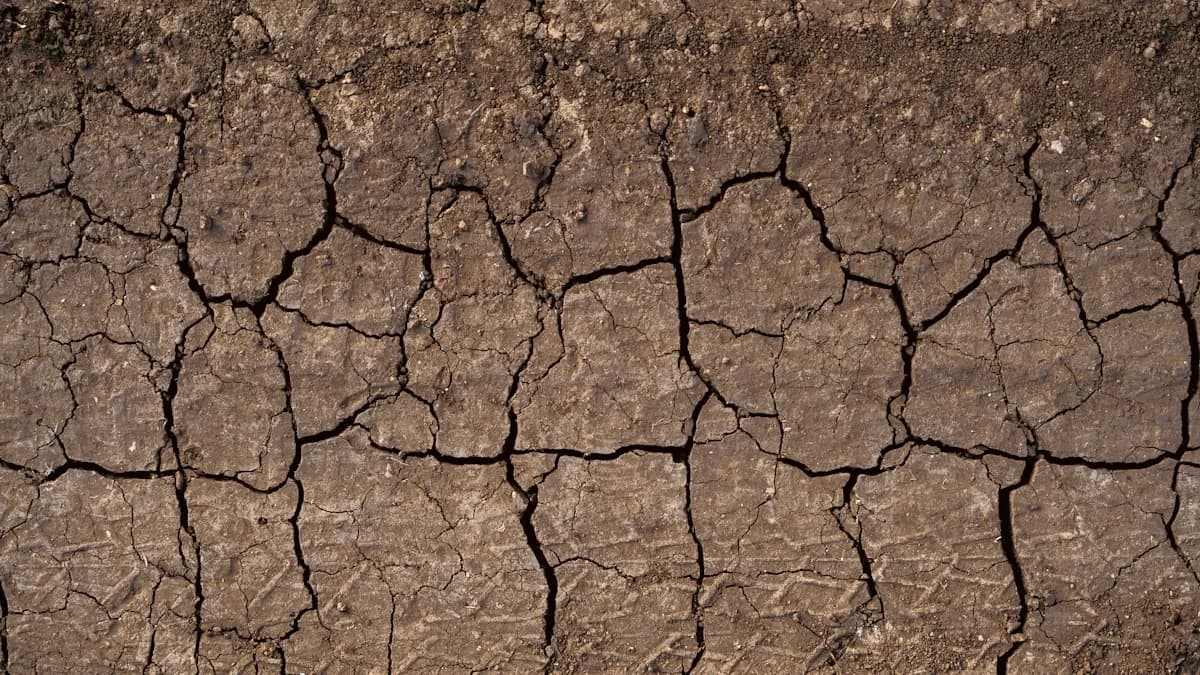
The current drought in the Netherlands is one of the most severe recorded in recent decades. Meteorological data shows a significant decrease in precipitation, combined with an increase in temperatures, exacerbating the effects of the drought. The consequences are visible not only in the low waters of the rivers but also in the dried-out soils and affected crops.
The drought in the Netherlands is the result of a combination of climate and environmental factors. Climate models predict an increase in extreme events, including droughts, due to climate change. The ability of the land to retain water is also affected by agricultural practices and vegetation cover, which can exacerbate the effects of a drought.
Climate change plays a major role in the occurrence of these extreme events. The increase in the average temperature of the planet leads to an increase in water evaporation, which can result in a decrease in precipitation in certain regions. Furthermore, climate models predict an increase in climate variability, meaning that regions currently experiencing droughts could face longer and more intense drought periods.
The impact of the drought is felt across various sectors, from agriculture to the supply of drinking water. Local and national authorities are taking measures to manage water more effectively, including restrictions on water use for non-essential activities. Residents are also encouraged to adopt water-saving practices in their daily lives.
Water management has become a top priority to address this historic drought. The Netherlands, known for its expertise in water management, is seeking to innovate and adapt its strategies to tackle this challenge. Learning and adaptation are key to managing water resources sustainably and addressing the challenges posed by climate change.
The regions most affected by the drought are those where agriculture is intense and where soils are particularly sensitive to drought. Crops such as cereals are particularly vulnerable...