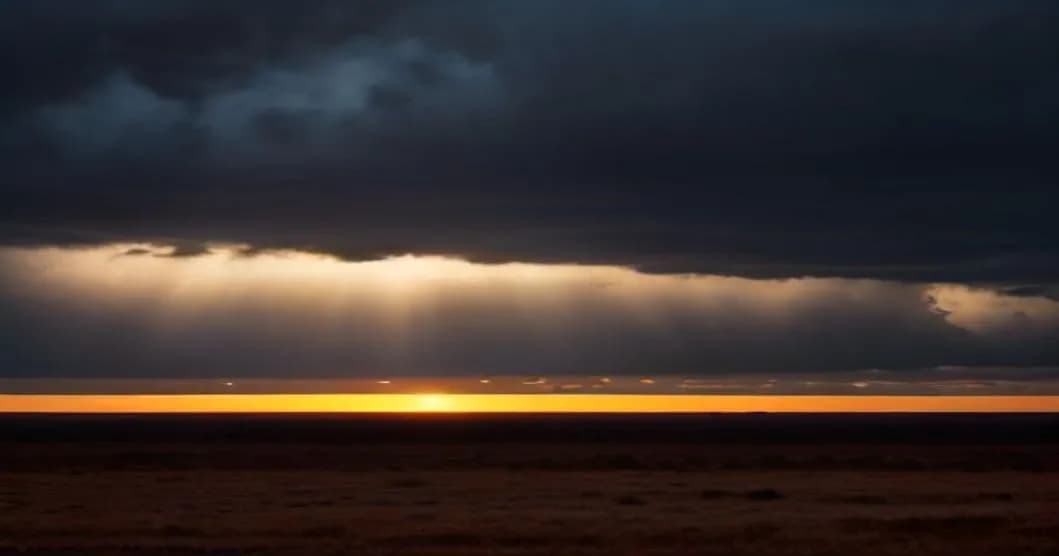
African savannas are older than previously thought. A recent study based on molecular fossils reveals that these ecosystems began to form 25 million years ago, 5 million years earlier than previously estimated. This discovery has significant implications for our understanding of Earth's climate history and the evolution of life on the planet.
25 million years ago, African savannas started to take shape, according to a recent study based on molecular fossils. This discovery challenges previous estimates that placed the expansion of these ecosystems at 20 million years ago. African savannas are not only iconic landscapes of Africa but also play a crucial role in global climate functioning and planetary biodiversity.
African Savannas: A Vital Ecosystem
Savannas cover a large part of Africa, stretching from Senegal to Ethiopia and from Kenya to Mozambique. These regions are characterized by scattered grasses and trees and host a rich and varied fauna, ranging from lions and elephants to antelopes and giraffes. Savannas are also essential for human populations who live and practice agriculture and livestock farming there.
The formation and expansion of African savannas are closely linked to climate changes. Increases in temperatures and modifications of precipitation regimes have contributed to the creation of these ecosystems. Savannas are sensitive to climate variations, and current changes could have significant impacts on these regions, affecting both fauna and human populations living there.
Molecular Fossils: A Window into the Past
Molecular fossils are organic molecules preserved in sedimentary rocks that can provide valuable information about ancient ecosystems. In the case of African savannas, researchers analyzed plant lipids preserved in sediments to reconstruct the history of these ecosystems. The results of this study indicate that savannas began to form 25 million years ago, a period during which Earth's climate underwent significant changes.
These discoveries are important for understanding the evolution of ecosystems and the interactions between climate and biological factors. They also help us better understand the potential consequences of current climate changes on African savannas and the populations that depend on them.
Implications for the Future
Understanding the history and evolution of African savannas is crucial for predicting how these ecosystems might evolve in the face of current climate changes. Savannas face many challenges, including deforestation, overexploitation of natural resources, and changes in precipitation regimes. Research on the climate history of these regions helps us better understand the mechanisms that govern these ecosystems and develop strategies to preserve them.