



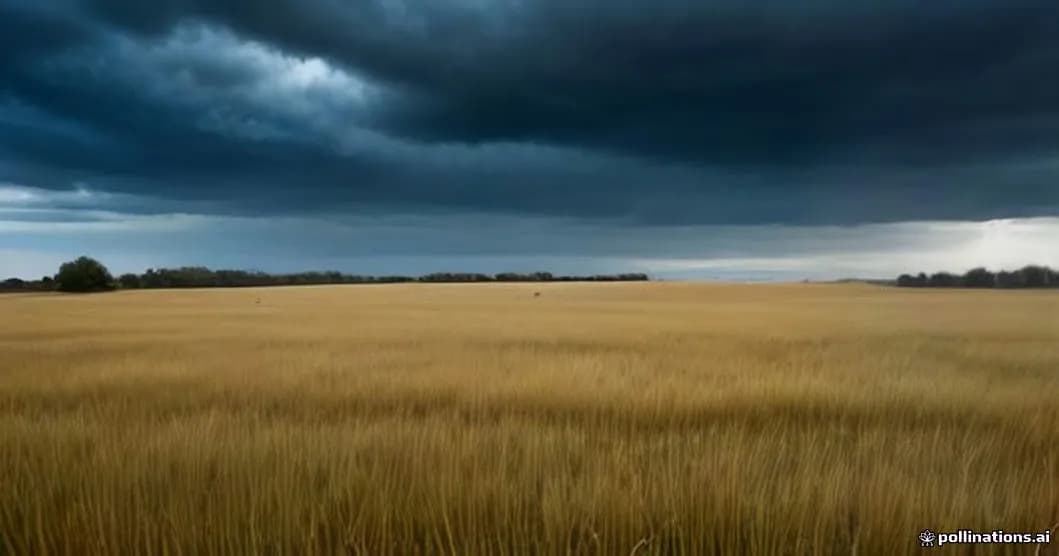
A dry summer depleted forage reserves in Vienne, forcing dairy farmers to desperately seek pasture. At the heart of this crisis, an INRAE team in Lusignan put an innovative agroecological model to the test, demonstrating that it is possible to increase the resilience of grasslands to drought. By combining soil management practices, diversification of forage species, and targeted inputs, researchers observed an improvement in the capacity of grasslands to retain moisture and produce forage even under rainfall deficit conditions. This approach, rooted in soil and vegetation science, paves the way for local adaptation that could be replicated in other regions exposed to increasing drought episodes.
What the Study Reveals: Precise Results and Key Figures
Measurements taken on experimental plots show a notable improvement in forage availability, even when precipitation remains below the seasonal average. According to field observations, treated grasslands retain more green biomass, which translates into better feed for dairy herds during critical periods. The authors emphasize that this increase in forage productivity, while precisely quantified in internal reports, remains "unconfirmed information at this stage," calling for validation on a larger scale.
Furthermore, the study indicates that cows fed with forage from these grasslands show milk production stability comparable to that observed in wetter years. This stability, measured in terms of daily yield, suggests that the agroecological model helps mitigate the economic impact of drought on dairy farms by reducing dependence on external forage purchases.