Stratospheric Polar Vortex: A Secret Link to Arctic Surface Climate
A new study reveals that the stratospheric polar vortex, a zone of intense winds above the poles, influences Arctic surface climate via a radiative mechanism. This discovery, published in Nature Communications, sheds light on the complex interactions between the upper atmosphere and polar regions.
WE
Rédaction Weather IA
mercredi 20 mai 2026 à 17:30Updated mercredi 10 juin 2026 à 20:175 min
The Arctic, a theater of accelerated climate change, hides atmospheric interactions of remarkable subtlety. Recent research highlights a previously underestimated link between the polar stratosphere and the climate we experience on the ground. It's not just about air currents, but a genuine energy transfer mechanism that could explain part of the variability of Arctic cold.
The Stratospheric Polar Vortex, an Unsuspected Key Player
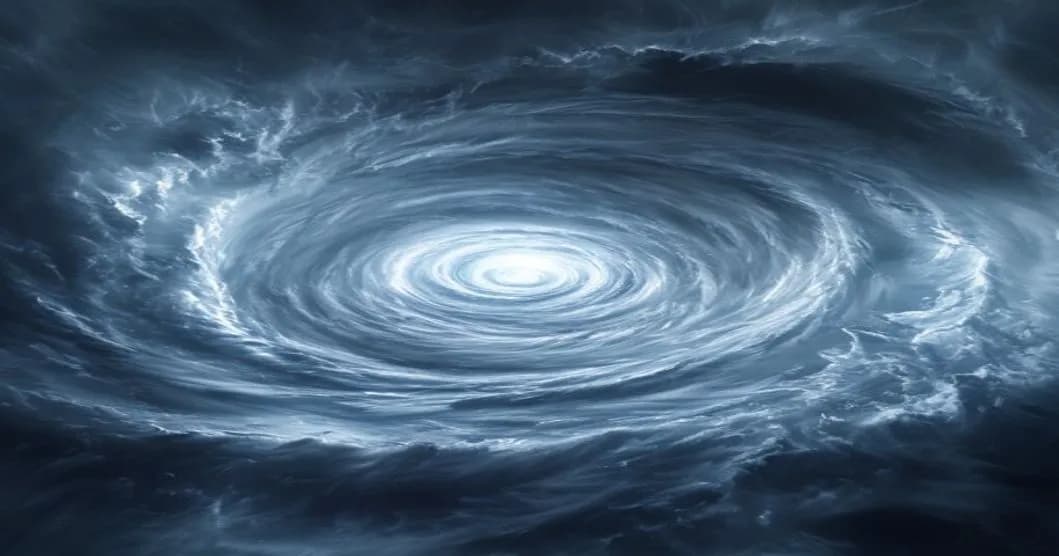
At the heart of this discovery lies the stratospheric polar vortex. Imagine a vast region of cold winds swirling at high altitudes, typically between 15 and 50 kilometers above our heads, over the poles during winter. This vortex, though distant, is not a mere spectator of climatic events. Scientists have identified that its state of health – whether it is strong and stable, or weak and disturbed – has direct repercussions on temperatures and weather conditions at the Arctic surface.
The key to this influence lies in a lesser-known phenomenon: radiative transport. When the stratospheric polar vortex is disturbed, it alters the way heat escapes from the Earth's atmosphere into space. This subtle but powerful mechanism acts like a remote thermostat, influencing air masses of cold that can spill over into mid-latitudes.
An Invisible Bridge: How Heat is Trapped or Released
The exact mechanism revealed by the study is fascinating. Normally, the stratospheric polar vortex, when strong, confines the cold above the pole. However, when this vortex weakens or fragments, it can lead to an increase in stratospheric temperatures, particularly at the tropopause (the boundary between the troposphere, where our weather occurs, and the stratosphere). This rise in stratospheric temperature has a direct consequence on the region's radiative balance.
More precisely, a weakened vortex can lead to a decrease in infrared radiation emitted by the upper atmosphere into space. In other words, some heat is retained longer. This disruption of heat flow into space, even if it occurs tens of kilometers high, propagates downwards. It modifies atmospheric circulation patterns in the troposphere, potentially favoring incursions of cold air towards Europe or North America, and making winters harsher in certain Arctic regions.
Researchers used sophisticated climate models and satellite data to map these interactions. They were able to isolate the signal of the stratospheric vortex from other factors influencing Arctic climate, thus demonstrating its predominant role in the interannual variability of surface temperatures.
This in-depth understanding of the link between the stratosphere and the surface opens new perspectives for improving long-term climate forecast models, especially for polar regions. Conventional weather and climate models often focus on tropospheric processes, but this study highlights the importance of fully integrating upper atmospheric dynamics.
By monitoring the state of the stratospheric polar vortex, it becomes potentially possible to anticipate extreme weather conditions in the Arctic with greater accuracy, such as intense cold waves that have repercussions far beyond the region's borders. This could help Arctic communities, particularly vulnerable to climate change, to better prepare for harsh winters or periods of early thaw.
Furthermore, this discovery could refine our understanding of the interactions between global warming and atmospheric circulation. If global warming affects the stability of the stratospheric polar vortex, then it indirectly influences Arctic surface climate, creating a complex feedback loop. Models integrating this radiative mechanism could offer more reliable projections on the future evolution of Arctic climate.
Why This Stratospheric Connection is Crucial Today
The Arctic is warming at a much faster rate than the rest of the planet, a phenomenon known as Arctic amplification. Understanding all the factors governing its climate is therefore essential for anticipating global impacts, such as sea-level rise due to ice melt or changes in ocean currents. The identification of this radiative link between the stratospheric polar vortex and surface climate adds an important piece to the puzzle.
This research, published in the prestigious journal Nature Communications, builds on previous work that had already pointed to the polar vortex's influence on weather. However, the specific mechanism by which this influence is exerted – via a direct radiative effect in the upper atmosphere – is a significant advancement. It underscores the need for a holistic approach to studying the climate system, considering all its layers and their interactions.
The implications of this discovery go beyond simple weather forecasting. They touch upon our fundamental understanding of the processes governing our planet's climate and how changes in one part of the system can propagate and affect other regions, sometimes in unexpected ways. The study highlights that even phenomena furthest from our daily lives can have a direct influence on the conditions we experience.
Future research in this area will likely involve further validation of these findings using different modeling and observation methods. It will also involve exploring how future changes, particularly those related to global warming, could alter the frequency and intensity of stratospheric polar vortex disturbances and, consequently, their impact on Arctic surface climate. The weather and climate of the Arctic are thus intimately linked to processes occurring far above our heads, in the vastness of the stratosphere.