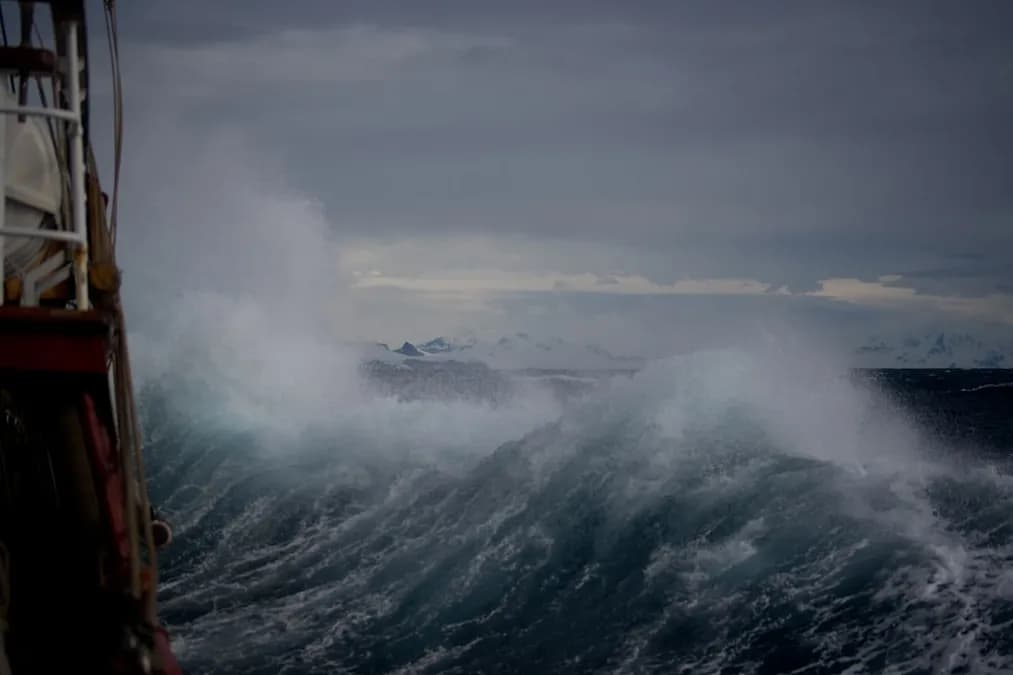
A 7.8 magnitude earthquake struck the island of Mindanao in the Philippines, causing damage and evacuation orders. A tsunami alert has been triggered for coastal regions.
A 7.8 magnitude earthquake struck the island of Mindanao in the Philippines, causing damage and evacuation orders. According to authorities, at least one person is dead and several others have been injured.
The Earthquake and its Consequences
The earthquake occurred in the Mindanao region, in the southern Philippines. The tremors were felt in several cities on the island, including Davao and General Santos. The authorities have triggered a tsunami alert for coastal regions, due to the risk of giant waves that could hit the coast.
The damage is significant, with buildings collapsing and roads blocked. Rescue teams are deployed to help victims and assess the damage.
The Causes of the Earthquake
The earthquake is due to the meeting of two tectonic plates, the Eurasian plate and the Philippine plate. This area is known for its significant seismic activity, due to the subduction of the Philippine plate under the Eurasian plate.
Scientists estimate that the earthquake was caused by a fault movement in the Earth's crust, which released a large amount of energy in the form of tremors. Seismological studies are underway to determine the exact causes of the earthquake.
The subduction of the Philippine plate under the Eurasian plate is a geological process that occurs when two tectonic plates meet and one is forced to dive under the other. This process can cause violent earthquakes, as the plate that dives under the other plate releases a large amount of energy in the form of heat and crustal movements.
The Philippines are located in the Pacific Ring of Fire, a zone of high seismic and volcanic activity that stretches from Japan to New Zealand. This area is characterized by the presence of several tectonic plates that meet and interact, which can cause earthquakes and volcanic eruptions.
Implications for the Philippines
The earthquake has significant implications for the Philippines, particularly for coastal regions. The authorities must take measures to evacuate areas at risk and protect populations.
The Philippines are a country vulnerable to natural disasters, due to their location in the Pacific Ring of Fire. The country must take measures to strengthen its resilience to disasters and protect its populations.
The Philippine authorities have already put in place measures to prevent natural disasters, such as early warning systems for earthquakes and tsunamis. However, it is essential to continue to strengthen these measures and raise awareness among populations about the risks associated with natural disasters.
Practical Advice
In the event of an earthquake, it is essential to follow the instructions of the authorities and take measures to protect yourself. Here are some practical tips:
- Evacuate areas at risk, such as coastal regions, and go to higher or more remote areas.
- Stay calm and follow the instructions of the authorities.
- Avoid approaching damaged buildings or debris areas.
- Use communication means to stay in touch with your loved ones and the authorities.
It is also essential to take measures to prepare for natural disasters, such as:
- Creating an emergency plan with your loved ones.
- Stockpiling food, water, and medicine.
- Ensuring you have communication means and backup power sources.
Comparison with Similar Weather Episodes in the Past
The earthquake that struck the Philippines is similar to other violent weather episodes that have affected the region in the past. For example, in 2013, a typhoon hit the Philippines, causing significant damage and loss of life.
However, it is essential to note that the Philippines are a country vulnerable to natural disasters, and the authorities must take measures to strengthen the country's resilience to these events.
It is also essential to follow the instructions of the authorities and take measures to protect yourself in the event of a natural disaster. Indeed, natural disasters can have severe and devastating consequences, and it is essential to take measures to minimize damage and loss of life.
Conclusion
The earthquake that struck the Philippines is a reminder of the country's vulnerability to natural disasters. It is essential that the authorities take measures to strengthen the country's resilience and protect its populations.
Furthermore, it is essential that populations are aware of the risks associated with natural disasters and take measures to protect themselves. Indeed, natural disasters can have severe and devastating consequences, and it is essential to take measures to minimize damage and loss of life.
Finally, it is essential to follow the instructions of the authorities and take measures to protect yourself in the event of a natural disaster. Indeed, natural disasters can have severe and devastating consequences, and it is essential to take measures to minimize damage and loss of life.
The Philippines are a country that has already experienced many earthquakes and natural disasters in the past, and it is essential that the authorities and populations take measures to prepare and protect themselves from these events.
In summary, the earthquake that struck the Philippines is a reminder of the country's vulnerability to natural disasters, and it is essential that the authorities and populations take measures to strengthen the country's resilience and protect themselves from these events.
It is also essential to note that natural disasters can have severe and devastating consequences, and it is essential to take measures to minimize damage and loss of life.
Finally, it is essential to follow the instructions of the authorities and take measures to protect yourself in the event of a natural disaster.
The Philippines are a country that has already experienced many earthquakes and natural disasters in the past, and it is essential that the authorities and populations take measures to prepare and protect themselves from these events.
In summary, the earthquake that struck the Philippines is a reminder of the country's vulnerability to natural disasters, and it is essential that the authorities and populations take measures to strengthen the country's resilience and protect themselves from these events.
It is also essential to note that natural disasters can have severe and devastating consequences, and it is essential to take measures to minimize damage and loss of life.
Finally, it is essential to follow the instructions of the authorities and take measures to protect yourself in the event of a natural disaster.
The Philippines are a country that has already experienced many earthquakes and natural disasters in the past, and it is essential that the authorities and populations take measures to prepare and protect themselves from these events.
In summary, the earthquake that struck the Philippines is a reminder of the country's vulnerability to natural disasters, and it is essential that the authorities and populations take measures to strengthen the country's resilience and protect themselves from these events.
It is also essential to note that natural disasters can have severe and devastating consequences, and it is essential to take measures to minimize damage and loss of life.
Finally, it is essential to follow the instructions of the authorities and take measures to protect yourself in the event of a natural disaster.
The Philippines are a country that has already experienced many earthquakes and natural disasters in the past, and it is essential that the authorities and populations take measures to prepare and protect themselves from these events.
In summary, the earthquake that struck the Philippines is a reminder of the country's vulnerability to natural disasters, and it is essential that the authorities and populations take measures to strengthen the country's resilience and protect themselves from these events.
It is also essential to note that natural disasters can have severe and devastating consequences, and it is essential to take measures to minimize damage and loss of life.
Finally, it is essential to follow the instructions of the authorities and take measures to protect yourself in the event of a natural disaster.