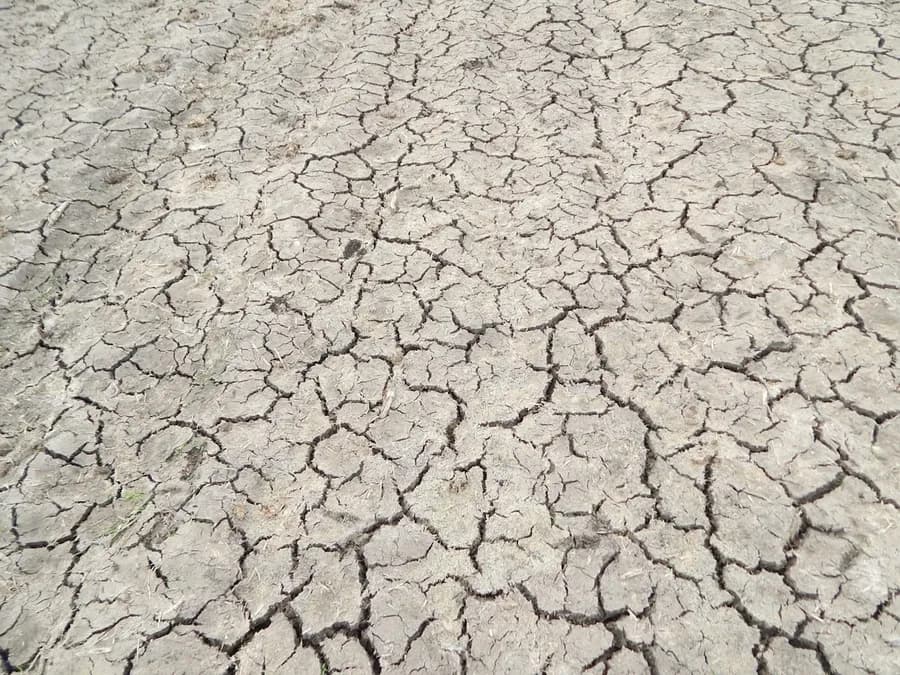
Intense Droughts: Tropical Forests Threatened to Shift into Carbon Emitters
Increasingly frequent droughts are weakening tropical rainforests, risking turning these carbon sinks into sources of atmospheric emissions, according to a recent study. This critical threshold could accelerate climate change.
WE
Rédaction Weather IA
lundi 18 mai 2026 à 13:59Updated mercredi 10 juin 2026 à 17:156 min
More than 40% of tropical rainforests could soon stop playing their role as carbon sinks, warn researchers. Facing longer and more severe droughts, these essential ecosystems struggle to regenerate, threatening to release into the atmosphere the CO2 they stored.
Tropical forests on the brink of tipping
A recent study reported by Phys.org highlights the growing danger that intensified droughts pose to tropical forests. These forests, covering a vast portion of the world's humid zones, are traditionally considered the "lungs of the planet" because they absorb large amounts of carbon dioxide (CO2). However, frequent and widespread droughts disrupt their ability to recover, which could shift them from net CO2 absorbers to net emitters.
Researchers have observed that under prolonged drought conditions, photosynthesis slows down, tree growth decreases, and mortality rises, drastically reducing carbon storage. This dynamic threatens the global climate balance.
How drought weakens tropical forests
The mechanism is simple but formidable: during drought periods, trees close their stomata to limit water loss, which reduces their capacity to absorb CO2. Moreover, water stress weakens trees, making them more vulnerable to diseases and increasing mortality, which releases carbon stored in decomposing biomass.
Traditional climate models, such as those used by the European Centre for Medium-Range Weather Forecasts (ECMWF), integrate these atmospheric data to simulate these impacts, but the complexity of biological interactions remains a challenge. Analysis of satellite data and field observations has revealed that the critical resilience threshold is increasingly being exceeded in tropical areas.
What this means for climate and biodiversity
The shift of tropical forests into net CO2 sources would amplify global warming, creating a vicious cycle. These forests play a key role in climate regulation and biodiversity preservation. Their rapid degradation threatens not only atmospheric balances but also the species living there.
The impact on ecosystem services, such as precipitation regulation and soil protection, would also be considerable, affecting local populations and the planet's overall health.
Climate emergency: why this alert is crucial
As extreme drought events multiply due to climate change, this study emphasizes the urgency of integrating these dynamics into predictive models. Understanding and anticipating the tipping point of tropical forests is vital to adapting conservation strategies and limiting global greenhouse gas emissions.
According to available data, without strengthened protective measures, these essential ecosystems risk losing their ability to slow warming, with major planetary consequences.
Historical context and importance of tropical rainforests
Tropical rainforests have always held a central place in the global ecological balance. For millennia, they have acted as reservoirs of biodiversity and climate regulators by storing enormous amounts of carbon in their biomass. Their formation dates back millions of years, allowing the development of complex and unique ecosystems. Historically, these forests have absorbed a significant share of anthropogenic CO2 emissions, thus slowing global warming. Yet, their vulnerability to climate change is increasing with the intensification of droughts, a phenomenon not as pronounced in previous centuries.
This situation raises concerns about the sustainability of their role as carbon sinks. Deforestation, often linked to human activity, adds to the pressure exerted by extreme droughts, increasing the destruction of these precious habitats. This historical context highlights the importance of better understanding the mechanisms at work to protect these forests and thus contribute to the fight against climate change.
Tactical challenges for forest conservation and management
Faced with these threats, conservation strategies must evolve to integrate risk management related to drought. Traditional tactics focused solely on protection against deforestation are no longer sufficient. It is now crucial to develop adaptive approaches, notably ecological restoration through planting drought-resilient species and protecting ecological corridors to facilitate species migration. The use of satellite data and advanced climate models allows anticipating the most vulnerable areas and acting in a targeted manner.
Furthermore, international cooperation becomes indispensable, as tropical forests span multiple countries and their degradation has global repercussions. Policies must encourage sustainable agricultural practices and limit human activities that exacerbate water stress. Raising awareness among local populations and involving them in natural resource management are also essential levers to strengthen the resilience of forest ecosystems.
Impact on global climate and future perspectives
The shift of tropical forests from net carbon sinks to net sources could have a snowball effect on climate change. By releasing more CO2, these forests would contribute to accelerating warming, which would further intensify drought and fire episodes. This positive feedback threatens to compromise the international goals of limiting warming to 1.5 °C or 2 °C set by the Paris Agreement.
Future prospects largely depend on our ability to act quickly and effectively. The development of sophisticated monitoring and modeling technologies, combined with ambitious environmental policies, could slow down or even reverse some of the damage. However, time is running out, and room for maneuver is shrinking in the face of worsening droughts. Preserving tropical forests is therefore a major strategic issue for global climate stability and the survival of many species.
In summary
Tropical rainforests, true lungs of the planet, are today facing an unprecedented threat: more frequent and severe droughts risk pushing them beyond a critical threshold. This situation could transform these ecosystems into net CO2 sources, worsening climate change and endangering biodiversity. The historical context shows how essential these forests have been to maintaining climate balance, but current tactical challenges require a revision of conservation strategies. The impact on the global climate is considerable, and future prospects depend on the speed and effectiveness of measures taken. It is urgent to act to preserve these forests and thus protect the health of our planet.