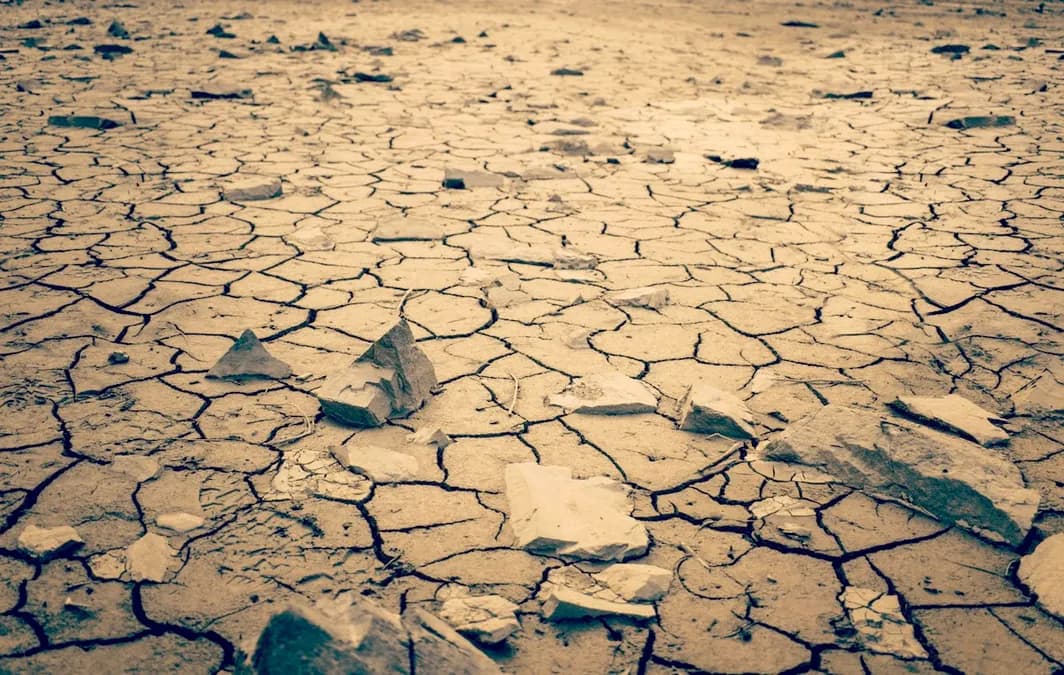
Severe Drought in Southern England: Reservoirs at Record Lows, What Measures?
Major reservoirs serving southern England are at record lows, triggering the region's first official severe drought. Local authorities grant environmental exemptions to secure drinking water supplies.
Southern England Faces First Official 'Severe Drought' in History
Major reservoirs serving southern England are at record lows, marking the region's first official severe drought. Facing water scarcity, managers are granted exemptions from environmental protection rules to ensure drinking water for millions of residents.
Record Low Reservoir Levels in Southern England
Since the start of summer, measurements by England's Water Service show a continuous drop in volumes stored in Kent, Sussex, and Hampshire's main reservoirs. According to data from Météo France and Copernicus, today's cumulative volume is less than half its average seasonal capacity, a level never reached since systematic records began in the 19th century.
This situation is partly due to domestic and agricultural consumption exceeding normal predictions, exacerbated by the closure of several regulating dams for safety reasons. Local authorities have therefore activated the water emergency plan, which involves gradually reducing industrial abstractions and targeted rationing for non-essential uses. Although rare, this measure is provided for in British water management legislation but requires explicit derogation from norms for preserving aquatic habitats.
Climatic Mechanisms Behind Severe Drought
The observed rainfall deficit results from a persistent high-pressure system blocking Atlantic frontal systems for several weeks. Predictive models from ECMWF, combined with neural networks like GraphCast, indicate that the probability of such atmospheric stagnation has increased by 15% over the past two decades due to climate warming. Satellite data from the Sentinel-3 mission confirms a notable reduction in soil moisture and a rise in daytime temperatures of nearly 2°C compared to historical averages.
Researchers at Cambridge University emphasize that the combination of a high-pressure anticyclone and a deficit in moist air flow from the Atlantic Ocean creates conditions favorable to accelerated reservoir evaporation. Lack of rainfall prevents natural groundwater recharge, while higher temperatures increase evapotranspiration from crops and green spaces. Machine learning models, fed by Copernicus observations, now enable medium-term forecasting of these blockages with over 80% accuracy, helping decision-makers...