
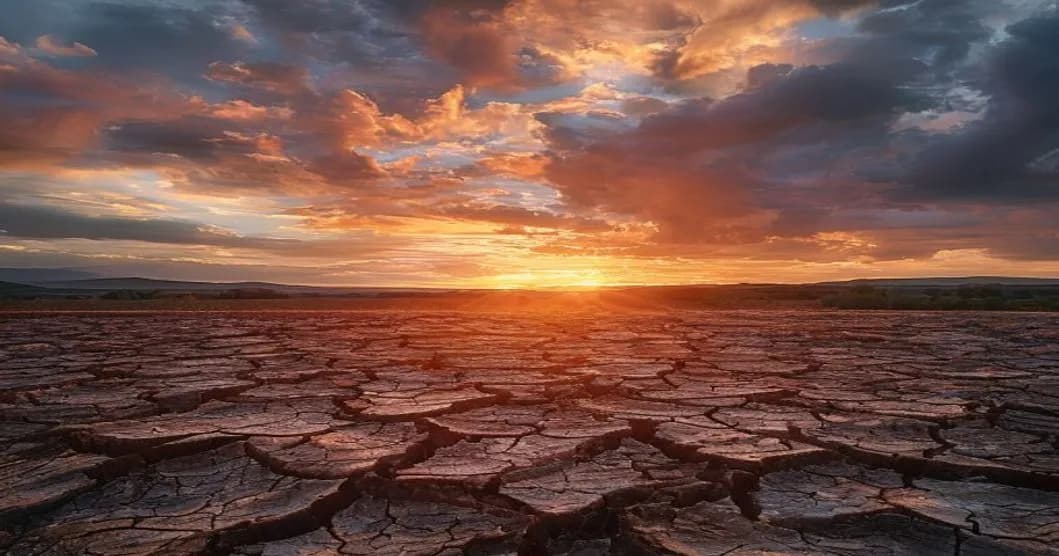
More than half of homes in France are threatened by clay soil movements caused by drought, according to experts. This situation is referred to as a 'national drama' due to its significant impact on housing and infrastructure.
Drought and Clay Soil Movements
Drought, combined with periods of intense rainfall, causes clay soil movements. These movements can result in significant damage to homes, including cracks in walls and foundations. Climate warming is identified as a key aggravating factor, as it alters precipitation patterns and temperatures, thereby affecting soil conditions.
The regions most affected are those with higher clay soil content. Experts emphasize the importance of regular monitoring of soil and building conditions to prevent damage and ensure occupant safety. Technologies such as satellite data and predictive models can help identify at-risk areas and implement preventive measures.
Indeed, clay soils are particularly sensitive to climate changes. When they lose water, they contract and can crack. Since clay soils are often used as foundations for homes, these cracks can lead to significant damage. Additionally, clay soils can also be vulnerable to landslides and slope failures, which can cause considerable damage to buildings.
The regions most affected by this situation are those with higher clay soil content, such as Nouvelle-Aquitaine, Brittany, and Grand Est. Experts recommend residents in these areas to take measures to protect their properties, such as regular building inspections and installing effective drainage systems.
Climate warming is also a aggravating factor in this situation. Changes in weather patterns modify the frequency and intensity of droughts and intense rainfall events, thereby increasing risks for infrastructure and housing. Understanding these mechanisms is crucial for developing effective adaptation and mitigation strategies.