
alertes
High Risk of Wildfires in Montana
Montana is experiencing a particularly risky wildfire season due to drought, heat, and wind. Authorities are predicting favorable weather conditions for fires. Residents are advised to take precautions.
WE
Rédaction Weather IA
samedi 6 juin 2026 à 09:24Updated mercredi 10 juin 2026 à 14:556 min
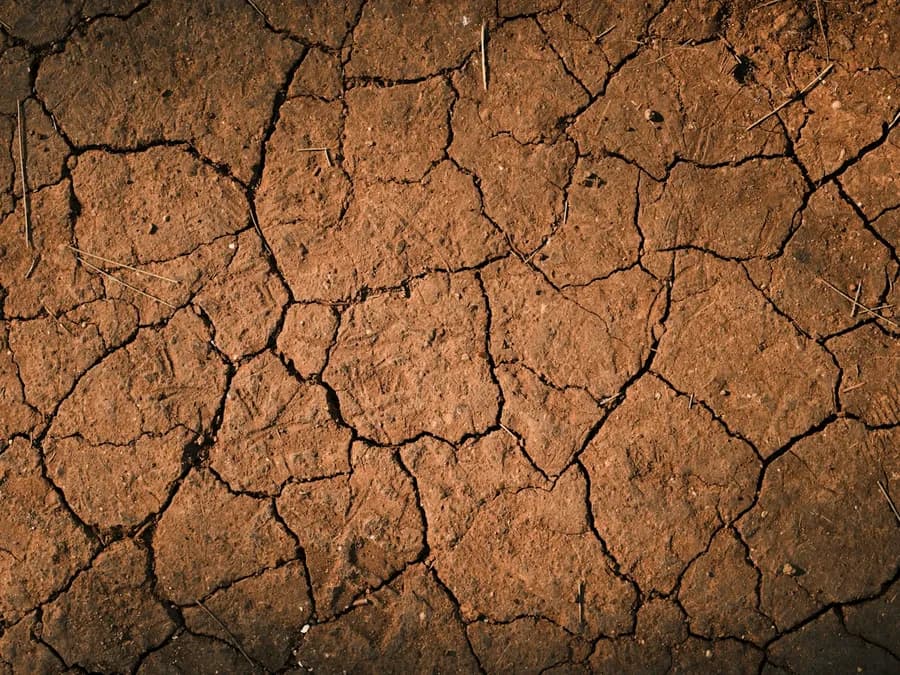
The authorities in Montana have warned that the 2026 wildfire season could present a higher-than-normal risk of wildfires in certain parts of the state, due to a combination of drought conditions, wind events, and above-average winter temperatures.
The Weather Conditions
A wildfire information meeting was held on Tuesday, attended by Governor Greg Gianforte and other state, local, and federal officials, to discuss preparation for the upcoming wildfire season. Drought conditions, wind events, and warmer-than-average winter temperatures are the key factors contributing to this high risk of wildfires.
The Scientific Causes
Drought conditions are often the result of a combination of weather factors, such as high temperatures, low humidity, and insufficient precipitation. When temperatures are higher than normal during the winter, it can lead to an earlier snowmelt, which in turn can lead to drought conditions earlier in the season. Wind events can also contribute to the rapid spread of wildfires. In fact, when there are strong winds, flames can spread quickly from one place to another, making wildfires even more difficult to control.
The climate factors that contribute to drought are complex and multifaceted. According to research, glacier melting and snowpack loss can also contribute to drought by reducing water infiltration into the soil. Additionally, climate change can lead to more extreme weather conditions, such as storms and droughts, which can have a significant impact on vegetation and ecosystems.
The Impact and Implications
The high risk of wildfires has significant implications for Montana residents, particularly those living in rural or wooded areas. Authorities recommend taking precautions, such as removing debris and flammable materials, and following the instructions of emergency services in the event of a fire. Residents must also be aware of weather conditions and wildfire warnings issued by authorities.
Furthermore, wildfires can have significant environmental impacts, such as the destruction of animal habitats, air and water pollution, and a reduction in biodiversity. Wildfires can also have economic impacts, such as the destruction of natural resources, disruption of infrastructure, and loss of revenue.
It is essential to note that wildfires are not just a local problem, but also a global problem. Climate change could lead to an increase in the frequency and intensity of wildfires in the coming years. Therefore, it is crucial to take measures to prevent and combat wildfires, as well as protect the ecosystems and communities affected.
Comparison with Similar Weather Episodes in the Past
The current situation is similar to that of 2017, when a large wildfire affected Montana, causing significant damage to vegetation and infrastructure. The weather conditions at the time, such as high temperatures and strong winds, contributed to the rapid spread of the wildfire.
Practical Advice
To prevent wildfires, Montana residents can take several measures:
* Remove debris and flammable materials from the area
* Follow the instructions of emergency services in the event of a fire
* Be aware of weather conditions and wildfire warnings issued by authorities
* Protect areas at risk of wildfires
In addition to these measures, it is essential to maintain good communication with authorities and emergency services. Residents must be prepared to evacuate their homes in case of an emergency and must have an emergency plan in place.
The authorities in Montana have also implemented measures to prevent wildfires, such as banning campfires in certain areas and deploying aerial patrols to detect wildfires early.
In conclusion, the high risk of wildfires in Montana in 2026 is a significant concern that requires immediate attention. Authorities and residents must work together to prevent and combat wildfires, as well as protect the ecosystems and communities affected.
The authorities recommend taking precautions and following the instructions of emergency services in the event of a fire. Residents must also be aware of weather conditions and wildfire warnings issued by authorities.
Ultimately, the prevention and management of wildfires require a comprehensive and coordinated approach that involves authorities, residents, and local communities. By working together, we can reduce the risk of wildfires and protect the ecosystems and communities of Montana.
Wildfires are a complex problem that requires an in-depth understanding of the weather and climate factors that influence them. By studying similar weather episodes in the past, we can better understand the causes of wildfires and develop effective strategies to prevent and combat them.
Reducing greenhouse gas emissions is also essential to mitigate the impacts of climate change on wildfires. By reducing our consumption of fossil fuels and promoting renewable energy, we can reduce greenhouse gas emissions and mitigate the impacts of climate change on wildfires.
Finally, it is essential to emphasize that the prevention and management of wildfires require a long-term approach. Wildfires are a problem that requires constant attention and long-term planning to be resolved effectively. By working together, we can reduce the risk of wildfires and protect the ecosystems and communities of Montana for future generations.
Was this article helpful?
Commentaires
Connectez-vous pour laisser un commentaire