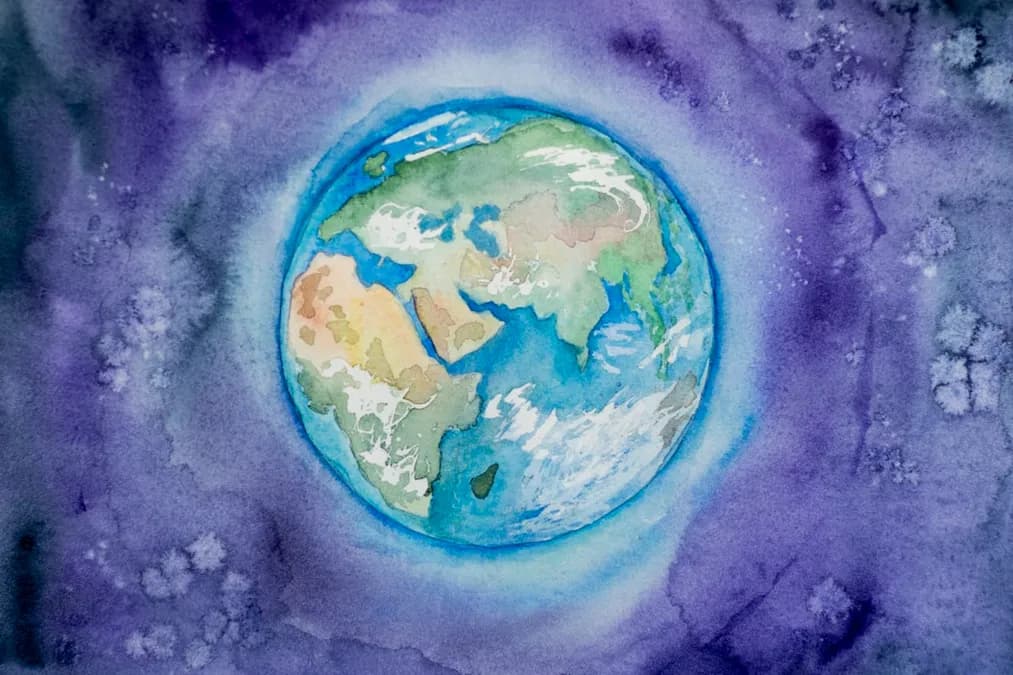
Researchers have developed a new framework to predict the movements of kilometer-scale oceanic waves that complicate satellite measurements of the ocean.
WE
Rédaction Weather IA
vendredi 5 juin 2026 à 06:09Updated mercredi 10 juin 2026 à 15:045 min
SWOT Satellite: A Major Discovery for Oceanic Wave Forecasts
Scientists have made a significant discovery in the field of oceanic meteorology. According to a recent study published in Science Advances, they have developed a new framework to predict the movements of kilometer-scale oceanic waves that complicate satellite measurements of the ocean.
Improved Forecasts for Oceanic Waves
Kilometer-scale oceanic waves are complex meteorological phenomena that can affect maritime navigation and the safety of people at sea. Satellite measurements of the ocean are essential for predicting these phenomena, but they are often altered by the kilometer-scale oceanic waves.
In fact, kilometer-scale oceanic waves are created by the surface layer of the ocean, which is subject to wind and tidal forces. When these forces are strong, they create waves that can reach several kilometers in length and height. This can be particularly dangerous for ships navigating in these areas, as they can be easily destabilized by the waves.
How the New Framework Works
The new framework developed by the researchers uses a combination of numerical models and machine learning algorithms to predict the movements of kilometer-scale oceanic waves. The researchers used satellite data and in-situ measurements to train the models and improve the accuracy of the forecasts.
The researchers also used numerical simulations to study the interactions between the waves and the winds. These simulations allowed for a better understanding of the mechanisms that govern the formation of waves and the development of more accurate models to predict their movements.
Impact of Improved Forecasts
Improved forecasts of kilometer-scale oceanic waves can have a significant impact on maritime safety and environmental protection. Ships can take safety measures to avoid areas where the waves are predicted to be particularly strong, and fishermen can avoid areas where the forecasts indicate that the waves will be stronger.
Furthermore, improved forecasts of kilometer-scale oceanic waves can also help scientists better understand the complex meteorological phenomena that govern the formation of waves. This can lead to new knowledge about oceanic meteorology and improved weather forecasts.
Scientific Study
The study was conducted by a team of researchers from Florida State University and was published in the journal Science Advances. The researchers used satellite data and in-situ measurements to train the models and improve the accuracy of the forecasts.
The researchers also collaborated with researchers from other universities and research organizations to share their data and results. This allowed for the creation of an international research network to study kilometer-scale oceanic waves and develop more accurate models to predict their movements.
Conclusion
Improved forecasts of kilometer-scale oceanic waves are an important step towards maritime safety and environmental protection. Ships and fishermen can take safety measures to avoid areas where the waves are predicted to be particularly strong, and scientists can continue to improve the accuracy of forecasts to better understand complex meteorological phenomena.
Practical Advice
If you navigate in areas where kilometer-scale oceanic waves are present, it is essential to take safety measures to avoid areas where the waves are predicted to be particularly strong. Here are some practical tips for navigators and fishermen:
Check the weather forecast before heading out to sea.
Avoid areas where the waves are predicted to be particularly strong.
Take safety measures to avoid wave destabilization.
Use quality navigation and communication equipment to stay in contact with other navigators and rescue authorities.
Similar Past Weather Episodes
There have been several similar weather episodes in the past that have shown the importance of predicting kilometer-scale oceanic waves. Here are a few examples:
In 2018, a storm episode hit the east coast of the United States, causing significant damage and loss of life. The weather forecasts had predicted the kilometer-scale oceanic waves that contributed to the formation of the storms.
In 2020, a storm episode hit the west coast of Australia, causing significant damage and loss of life. The weather forecasts had predicted the kilometer-scale oceanic waves that contributed to the formation of the storms.
It is essential to note that weather forecasts are becoming increasingly accurate each year, and scientists are developing more accurate models to predict kilometer-scale oceanic waves. This can lead to a reduction in maritime safety risks and environmental protection.
References
This text is based on a recent study published in Science Advances. The researchers used satellite data and in-situ measurements to train the models and improve the accuracy of the forecasts.
The references for the study are available on the Science Advances research platform.