
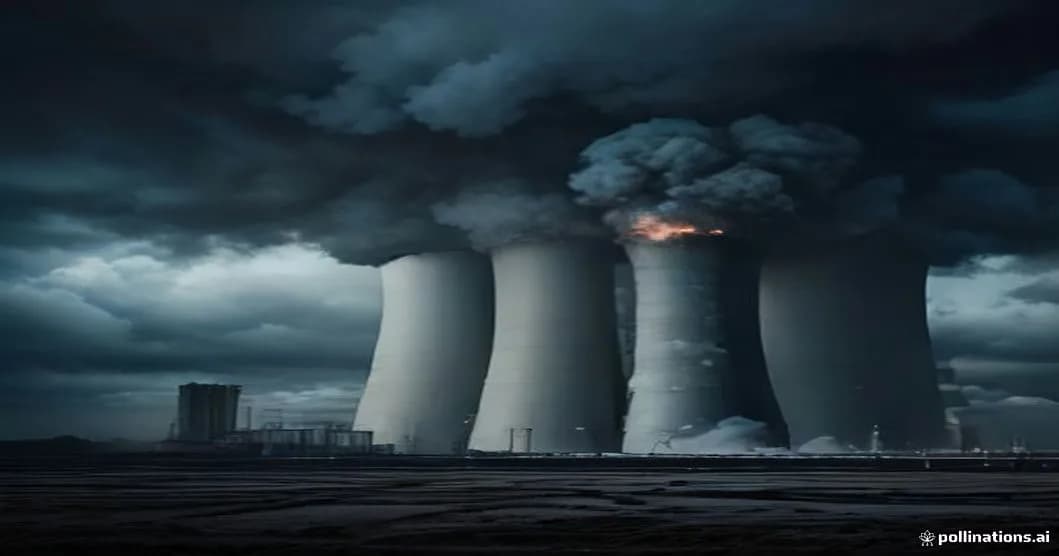
Thirty years after the first Earth Summit, delegate travel and local climate conference infrastructure remain heavily powered by fossil fuels. Each year, the planes transporting representatives, the buses shuttling them to meeting venues, and the power plants supplying the sites generate a carbon footprint comparable to that of a small nation, even as negotiations aim to drastically reduce global emissions.
Fossil fuel emissions linked to climate conferences: a persistent footprint
The two annual meetings recently held in Poland perfectly illustrate this paradox: coal, the country's dominant energy resource, powers the site facilities, while delegates arrive by plane from every continent. The same finding repeated itself in Dubai during COP28, where a thick veil of petrochemical smog enveloped the city, a reminder that local industries continue to burn oil on a massive scale. In Baku, road and air transport once again showed that, despite the rhetoric, low-carbon solutions remain marginal at these international gatherings.
These findings are not mere anecdotes: they reflect a structural dependence on fossil fuels that manifests at every stage of the process – from participant logistics to the energy used to heat conference halls. None of the official reports published provide precise figures, but media and NGO observations underscore that emissions linked to travel and on-site energy production represent a non-negligible share of each COP's total carbon footprint.