Portugal: How Winter Storms Worsen the Risk of Summer Forest Fires
After winter storms uprooted many trees in Portugal, the threat of forest fires in summer becomes higher. The management of pine and eucalyptus forests is now crucial to limit the risks.
WE
Rédaction Weather IA
mercredi 13 mai 2026 à 08:32Updated mercredi 10 juin 2026 à 18:016 min
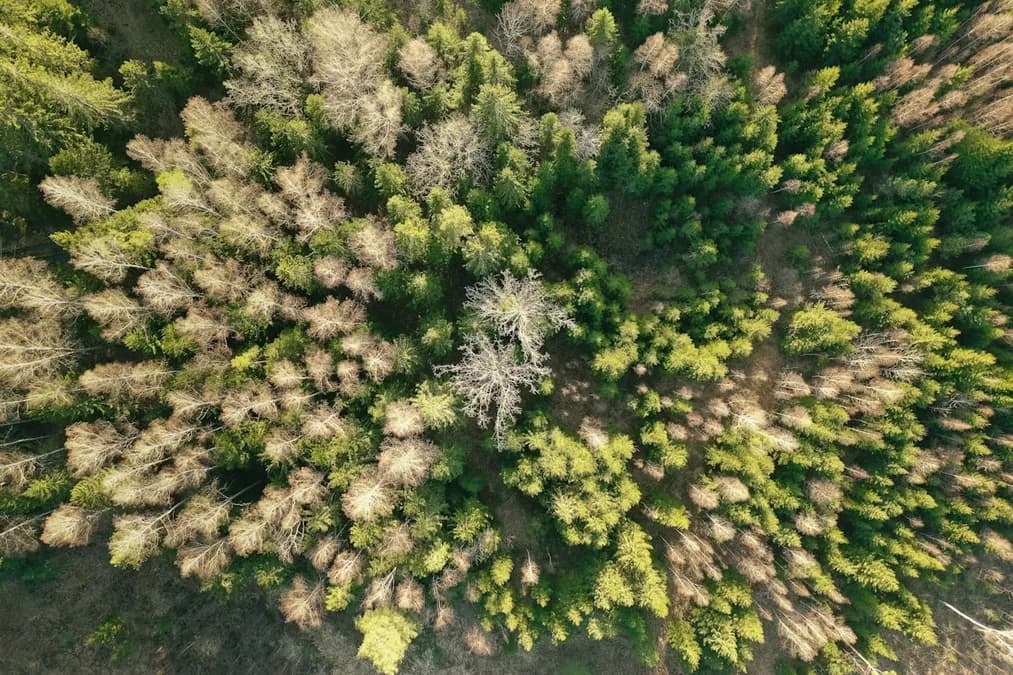
In the heart of central Portugal, pine and eucalyptus forests are today struck by a double threat. After violent winter storms that uprooted many trees, the summer season is shaping up to be highly tense with an increased risk of fires. Forestry teams are working to clear blocked paths, but the situation remains fragile in the face of the threat of forest fires that can spread rapidly in these densely wooded areas.
Winter storms: a hard blow for Portuguese forests
During the winter, several storm episodes swept through central Portugal, causing the massive fall of trees on trails and forest roads. These trees, mainly pines and eucalyptus, were uprooted or broken under the force of the winds. Chainsaws and earthmoving equipment are mobilized to clear the passages and limit the impacts on access to forest areas.
However, this plant debris remains on site, accumulating on the ground and creating a particularly flammable natural fuel. This accumulation significantly increases the risk that fires will start and spread rapidly as soon as the first summer heat arrives.
Why do these storms amplify the risk of fires?
The mechanism is simple but formidable: fallen trees and dead branches form a thick layer of dry wood on the ground, called forest litter. This dry organic matter facilitates the spread of fire by providing abundant and highly flammable fuel.
Pine and eucalyptus forests, typical of Portugal, are particularly vulnerable. Their resins are highly combustible, and the very structure of these woods favors the rapid spread of fire. Winter storms, by uprooting these trees, therefore increase the amount of fuel available on the surface.
Climate change exacerbates forest vulnerability
These events cannot be separated from the broader context of climate change. The rise in average temperatures, the lengthening of drought periods, and the increase in the frequency of intense storms create a dangerous cocktail for Portuguese forest ecosystems.
Warming contributes to drying vegetation earlier in the year, making forests more flammable from spring and summer. Moreover, winter storms, more frequent and violent, weaken trees and promote the fall of dead wood.
Forest management more necessary than ever
Faced with this double threat, proactive forest management becomes essential. Portuguese authorities and forest managers are implementing strategies to reduce the amount of dead wood – notably by clearing brush and cleaning paths.
These interventions aim to decrease the available fuel and thus limit the size and intensity of potential fires. In parallel, forest monitoring is strengthened thanks to satellite data and early warning systems to quickly detect any fire outbreaks.
A historical context marked by devastating fires
Portugal has a long history of forest fires, with particularly destructive episodes that have marked collective memories. Every summer, fires ravage thousands of hectares, impacting not only the ecosystem but also local communities and the regional economy. Pine and eucalyptus forests, massively planted in the 20th century for economic reasons, are both a resource and an increased risk given their flammability.
Historically, authorities have often been caught off guard by the scale of fires, but recent weather events and their consequences reinforce the need to adapt forestry practices. The challenge is all the greater as these forests also play a crucial role in biodiversity and carbon capture, essential elements in the fight against climate change.
The tactical challenges of forest management facing fire risk
Managing Portuguese forests requires a fine tactical approach, combining prevention, rapid intervention, and restoration of natural environments. Targeted brush clearing helps create natural firebreaks and eliminate dry vegetation that could feed a nascent fire. Furthermore, coordination between emergency services, forest managers, and local authorities is essential to ensure an effective response to fire outbreaks.
Innovative techniques are also being implemented, such as the use of drones to monitor the most vulnerable areas or the use of artificial intelligence systems to predict risk zones. These strategies aim to optimize available resources and minimize human and ecological losses. The challenge is also social, as raising awareness among local populations about risks and behaviors to adopt in case of fire is an essential part of prevention.
Perspectives and adaptations facing future challenges
In the medium and long term, the resilience of Portuguese forests will depend on their ability to adapt to changing climatic conditions. This involves diversifying planted species, favoring less flammable species better adapted to new drought and temperature conditions. The integration of agroforestry practices can also contribute to better land management, combining agricultural production and forest space conservation.
Moreover, European and international cooperation is crucial to share knowledge, technologies, and best practices in natural risk management. Portugal, on the front line against Mediterranean fires, can thus benefit from research programs and funding to strengthen the protection of its forests.
In summary
Forests in central Portugal today face a major double threat: winter storms that have weakened trees and abundantly fed the ground with dead wood, and the high risk of fires in the summer season. This phenomenon perfectly illustrates how weather hazards, exacerbated by climate change, profoundly modify ecological dynamics and natural risks. Faced with these challenges, proactive forest management, combined with modern technological tools and increased awareness, appears as the best response to preserve these precious ecosystems and protect local populations.