
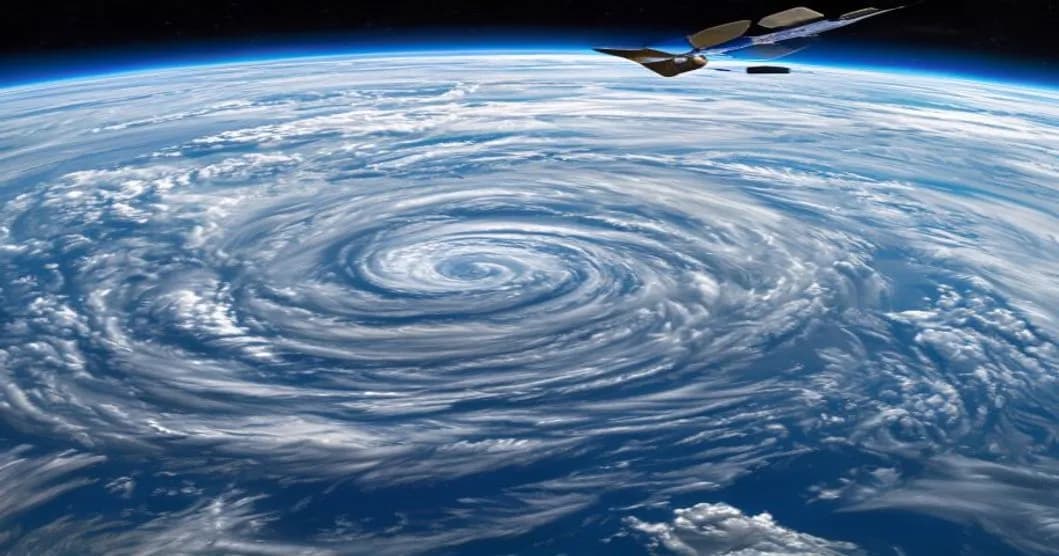
On March 7, 2026, a series of explosions and fires occurred at oil storage and refining facilities in Tehran, Iran. This disaster resulted in significant air pollution. Researchers used a constellation of satellites to study and quantify the sulfur dioxide (SO₂) emissions resulting from this incident.
Satellites in the Service of the Environment
Satellites played a crucial role in monitoring atmospheric pollution. Thanks to their detection capabilities, scientists were able to track SO₂ emissions and assess their impact on the environment. This technology allows for a better understanding of the consequences of such disasters and takes measures to mitigate their effects.
The data collected by the satellites enabled researchers to map the dispersion of SO₂ emissions in the atmosphere. This helped identify the most affected areas and understand how the pollution spread.