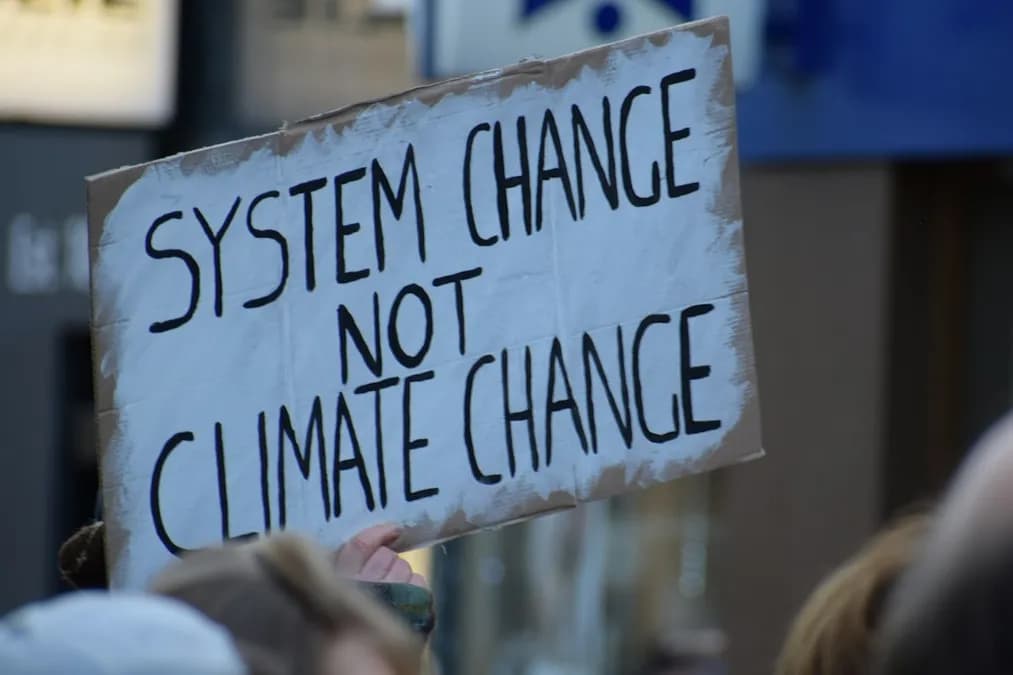
Over 260 climate rallies across France on Saturday calling for an emergency plan
Over 260 rallies are planned across France this Saturday, bringing together environmental activists, NGOs, unions, and political parties. They are demanding a climate emergency plan following a summer marked by heat records. This unprecedented mobilization is putting pressure on decision-makers.
Nationwide climate mobilizations after record-breaking summer
Over 260 rallies are planned for this Saturday across France, bringing together environmental activists, NGOs, unions, and political parties. This wave of mobilization comes after a summer where Météo France records confirmed heat and extreme precipitation records, triggering national awareness.
Network of rallies: Where mobilizations are concentrated
Major cities like Paris, Lyon, Marseille, and Lille are hosting the largest rallies, each expected to draw several thousand participants. In rural regions, smaller gatherings are taking place in town halls and public squares, reflecting a mobilization that transcends urban and rural boundaries. According to organizers, each rally will display signs calling for the implementation of a climate emergency plan, with specific demands regarding CO₂ emission reduction and accelerating the energy transition.
Beyond major centers, mobilizations are planned in overseas territories, notably in Guadeloupe and Réunion, where the effects of climate disruption are already evident through droughts and intensified cyclones. This national presence underscores the magnitude of the issue: climate is no longer a local concern, it has become a cross-cutting issue affecting every region of the country.
Why the scale? The link between summer records and citizen pressure
The summer of 2026 was marked by maximum temperatures exceeding historical thresholds in several departments, with peaks of +5°C above the seasonal average. These anomalies, recorded by Météo France's network of stations and corroborated by satellite data from the Copernicus program, resulted in heatwaves, forest fires, and sudden flooding episodes. The direct impact on public health – over 1,200 emergency consultations related to heat – has strengthened the sense of urgency among the population.
Scientists attribute these records to a combination of factors: the basic warming linked to greenhouse gases, amplified by abnormal atmospheric circulation patterns detected in ECMWF forecasting models. This combination creates persistent high-pressure blocks, favoring prolonged heatwaves. Meanwhile, precipitation intensification results from the atmosphere's increased ability to retain moisture, a phenomenon directly linked to global average temperature increase. Faced with these explanations, citizen movements have found a solid scientific argument for demanding immediate action.