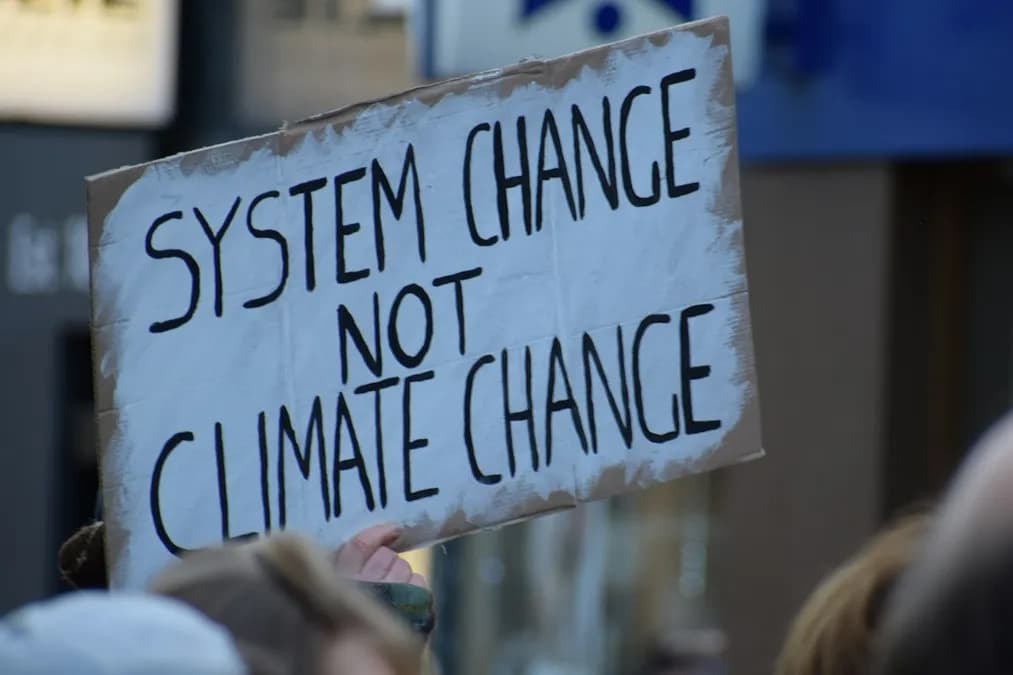
Climate march in France on September 26: Mass mobilization, demands, and expected responses
On September 26, over 260 marches took place across France demanding urgent measures against heat records and recent wildfires. Between citizen anger and political pressure, what solutions will be considered to limit climate change?
On September 26, France witnessed unprecedented mobilizations: over 260 marches were recorded, from the Breton coast to the Alpine mountains, gathering tens of thousands of protesters who waved their concerns for their children's future.
September 26 mobilization details: 260 marches across the country
According to Sciences et Avenir's tracking, every major city saw at least one march, with some rural areas hosting several simultaneous gatherings. In Paris, the starting point was the Place de la République, where organizers distributed leaflets calling for immediate CO₂ emission reduction. In Lyon, the march began on the Rhône quays, while in Bordeaux, participants converged on the Place de la Bourse. Each gathering featured speeches by activists, scientists, and public figures, highlighting the intergenerational nature of the movement.
The demands were homogeneous: implementation of emergency measures to limit warming, acceleration of the energy transition, and reinforcement of forest fire resilience. Protesters also called for the creation of a national fund dedicated to protecting children from climate-related health effects, a proposal that resonated particularly with families present. Organizers declared that the marches were "non-violent, inclusive, and open to all", emphasizing the need for constructive dialogue with authorities.
Climate context: Record heatwave and fires trigger outrage
The marches took place in a worrying climate context. This summer, France recorded heat records, with temperatures exceeding seasonal norms by several degrees, according to Météo France. These heatwaves were accompanied by prolonged droughts, creating conditions favorable to forest fires. The fires that devastated the southeast of the country, notably in the Var and Alpes-Maritimes departments, destroyed hectares of vegetation, threatened homes, and left visible smoke trails.
Scientists emphasize that these extreme events are consistent with projections from ECMWF and Copernicus climate models, which predict an increase in the frequency and intensity of heatwaves in Western Europe. The link between high temperatures, soil degradation, and forests' inability to resist flames is increasingly documented. Thus, each day of heatwave increases the risk of fire, creating a vicious circle that amplifies impacts on public health, local economy, and biodiversity.
Scientific explanation of heatwave and fire phenomenon