Malaysia 2026: Cloud Seeding Technique to Save Rice Production Amid Severe Drought
Facing a severe drought delaying sowing in Malaysia's "food bowl," Malaysia is betting on cloud seeding to stimulate rainfall. An innovative weather-tech method, but still experimental in Southeast Asia.
WE
Rédaction Weather IA
dimanche 10 mai 2026 à 04:54Updated mercredi 10 juin 2026 à 20:506 min
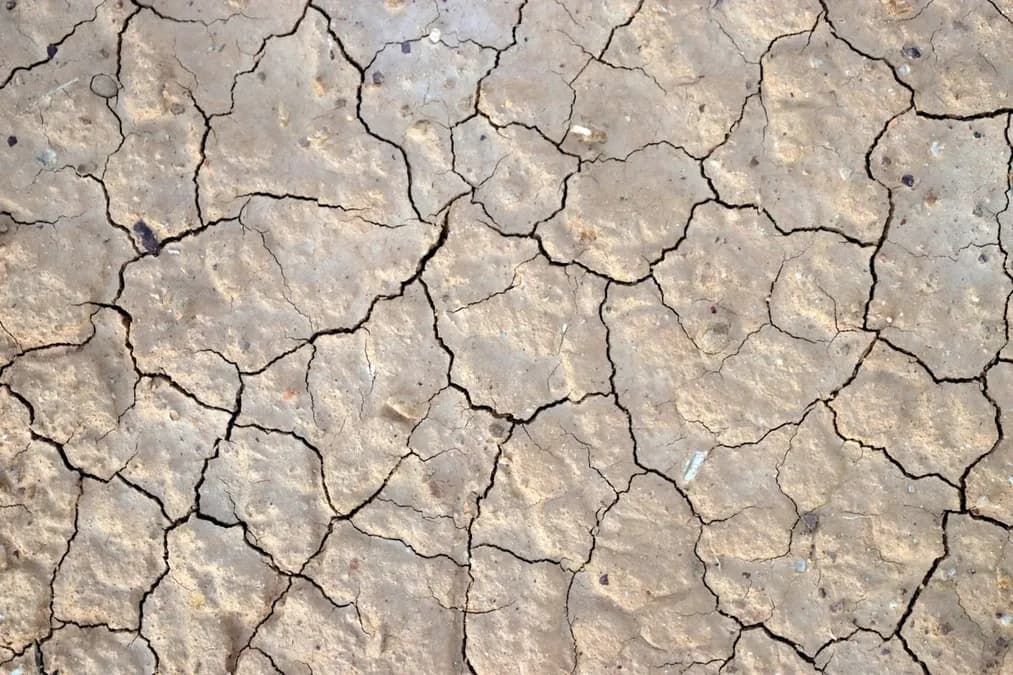
More than three months of delay in rice planting are affecting northern Malaysia, a key region nicknamed the country's "food bowl." This exceptional drought threatens national production, pushing authorities to resort to an innovative weather technique: cloud seeding to artificially trigger rainfall.
An unprecedented recourse to cloud seeding to combat drought
According to a report relayed by Phys.org, Malaysia has scheduled precipitation stimulation operations in several agricultural areas in the North, notably in the state of Kedah, the main rice producer. This intervention aims to compensate for the water deficit that has delayed the essential sowing for the 2026 campaign. The government thus hopes to reduce the threat to the national food supply.
Cloud seeding consists of dispersing chemical substances into the atmosphere, such as silver iodide or salt, which promote the condensation of water vapor. This technique, successfully used in some parts of the world, is still rare in tropical Asia, where weather variability and local cloud dynamics are complex.
How seeding stimulates rain formation
The process relies on modifying the microphysics of clouds. By injecting hygroscopic agents or silver iodide crystals, the aim is to increase the size and number of water droplets or ice crystals in the clouds. These particles then become heavy enough to fall as precipitation.
Specialized aircraft or sometimes ground devices project these substances into targeted cloud layers, generally convective clouds carrying potential rain. The objective is to maximize rainfall over critical agricultural zones without disturbing regional balances.
Crucial stakes for Malaysian food security
Malaysia heavily depends on local rice production, a staple food essential for its population. The delay in the 2026 agricultural campaign due to lack of water could degrade yields and increase dependence on imports, weakening food security.
The use of cloud seeding illustrates the search for technological solutions to offset climatic hazards, intensified by global change. This technique could, if proven effective, become a complementary tool to weather forecasts and water resource management.
Why the 2026 Malaysian drought raises climate adaptation concerns
The current drought occurs as the region faces increased precipitation variability linked to global climatic phenomena. According to available data, the decrease in rainfall has disrupted the agricultural calendar, a trend that climate models attribute to the intensification of extremes induced by warming.
More than ever, Malaysia is testing innovative methods like seeding, relying on precise atmospheric data from satellites and ground stations. This approach is part of a broader climate adaptation strategy where artificial intelligence and predictive models could soon play a key role in optimizing weather interventions.
According to Phys.org, these seeding operations will continue in the coming weeks, with rigorous evaluation of their impacts on water resources and agricultural production. This real-world test could pave the way for a new era of proactive climate management in Southeast Asia.
A historical context of water resource management in Malaysia
Malaysia, a tropical country with high rainfall, has always leveraged its climate to develop flourishing agriculture, especially in the northern region where rice is the main crop. However, drought episodes, once rare, have multiplied in recent decades, posing major challenges to farmers and authorities. Historically, the country has invested in hydraulic infrastructures, such as dams and irrigation canals, to stabilize agricultural production. Yet, faced with worsening droughts, these traditional solutions show their limits, prompting exploration of complementary methods like cloud seeding.
This historical context highlights the strategic importance of the Kedah region, often called Malaysia's "food bowl," not only for national food security but also for the rural economy. The use of advanced technologies thus marks a new stage in integrated water resource management, combining ancestral know-how and scientific innovation.
Technical and environmental challenges of cloud seeding
Despite its promises, cloud seeding raises several technical and environmental questions. On one hand, the success of the method strongly depends on local atmospheric conditions, notably the presence of clouds sufficiently charged with moisture. On the other hand, the impact of dispersed chemical substances on ecosystems and water quality is the subject of thorough studies to avoid undesirable side effects.
Malaysian authorities collaborate with international experts to ensure that operations comply with environmental standards and maximize their effectiveness. Furthermore, coordination with national meteorological services allows real-time adaptation of interventions according to climatic conditions. These technical challenges illustrate the complexity of this approach but also its potential to become a sustainable tool in drought combat.
Perspectives and challenges for medium-term food security
If cloud seeding proves successful, it could become a key element in Malaysia's climate change adaptation strategy. However, this technique cannot be a unique solution. Crop diversification, improvement of irrigation systems, and efficient water resource management remain essential to strengthen agricultural sector resilience.
Moreover, the government will need to integrate these innovations within a global framework including the participation of farmers, scientists, and policymakers. The 2026 drought could thus constitute a turning point, encouraging the adoption of a proactive and integrated climate management approach, relying on technological advances while preserving local ecosystems.
In summary
The exceptional drought hitting northern Malaysia in 2026 has delayed the rice planting campaign, jeopardizing national food security. Faced with this situation, the country is betting on cloud seeding, an innovative technique aiming to artificially stimulate precipitation. This recourse, still uncommon in tropical Asia, fits within a historical context marked by traditional water resource management confronted with new climatic challenges. Despite significant technical and environmental stakes, this method could open the way to proactive and sustainable climate management, essential to preserve Malaysian agricultural production in the medium and long term.