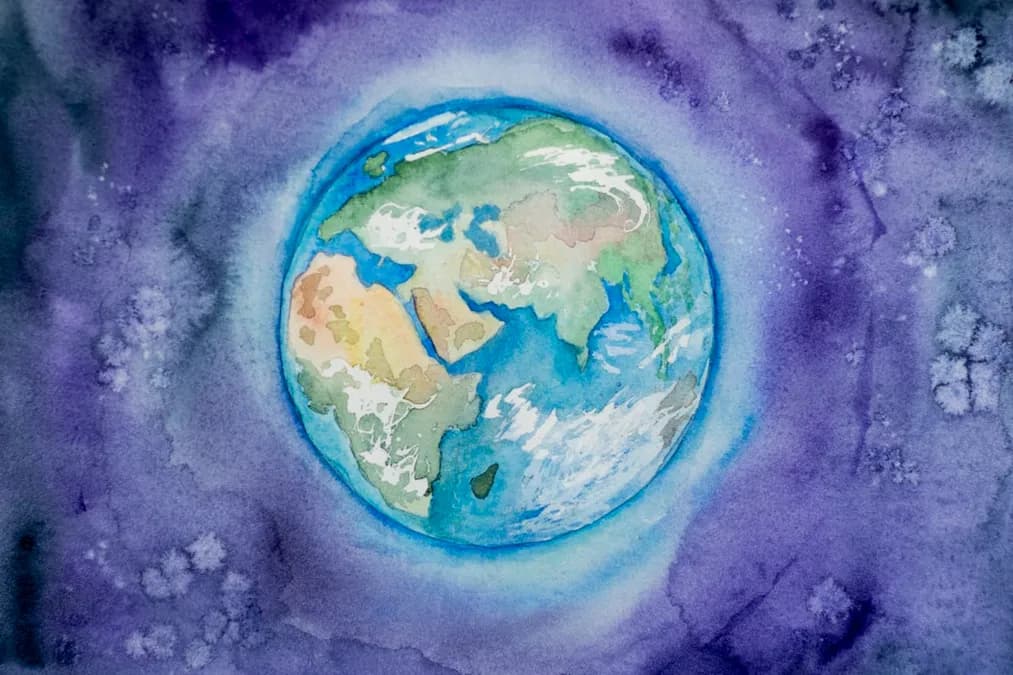
The UN has adopted a historic climate resolution, aiming to strengthen international cooperation to combat climate change. This resolution was adopted at a time when extreme climate events are multiplying. Scientists estimate that greenhouse gas emissions must be reduced by **50%** by 2030 to limit global warming to **1.5°C**.
WE
Rédaction Weather IA
dimanche 24 mai 2026 à 16:17Updated mercredi 10 juin 2026 à 20:176 min
DeBriefed 22 May 2026: The UN Adopts a Historic Resolution to Combat Climate Change
A historic resolution has been adopted by the UN to combat climate change. This decision comes at a time when extreme climate events, such as hurricanes and droughts, are multiplying around the world.
The Importance of the Resolution
This resolution aims to strengthen international cooperation to reduce greenhouse gas emissions and mitigate the effects of climate change. Scientists estimate that greenhouse gas emissions must be reduced by 50% by 2030 to limit global warming to 1.5°C.
Climate change is caused by the increase in greenhouse gas emissions, such as carbon dioxide and methane, in the atmosphere. These gases trap the sun's heat and cause the planet to warm. Human activities, such as the combustion of fossil fuels and deforestation, are the main causes of the increase in greenhouse gas emissions.
Carbon dioxide is the most important greenhouse gas responsible for climate change. It is released during the combustion of fossil fuels, such as coal, oil, and natural gas, and during deforestation. Methane is also an important greenhouse gas, it is released during the production of shale gas and the fermentation of organic waste.
Greenhouse gas emissions are amplified by the concentration of these gases in the atmosphere. The concentration of carbon dioxide in the atmosphere has increased by more than 40% since the beginning of the Industrial Revolution, from 280 ppm in 1750 to 415 ppm in 2020.
The Consequences of Climate Change
The consequences of climate change are numerous and varied. They include the rise in sea levels, the melting of glaciers, changes in precipitation, and an increase in the frequency and severity of extreme climate events.
The melting of glaciers is a clear sign of climate change. Glaciers around the world are losing ice at an accelerated rate. In 2020, the world's glaciers lost 18.4% of their ice mass in 20 years.
Changes in precipitation are also a significant impact of climate change. Tropical regions are the most affected by changes in precipitation, with an increase in the frequency and severity of extreme climate events.
Regional Impacts
The impacts of climate change vary by region. Tropical regions are the most affected by changes in precipitation, while polar regions are the most affected by the melting of glaciers.
Globally, the impacts of climate change are numerous and varied. They include the rise in sea levels, the melting of glaciers, changes in precipitation, and an increase in the frequency and severity of extreme climate events.
Solutions to Combat Climate Change
There are several solutions to combat climate change. They include reducing greenhouse gas emissions, increasing energy efficiency, developing renewable energy, and protecting forests.
Reducing greenhouse gas emissions can be achieved by using renewable energy sources, such as solar and wind energy, and improving energy efficiency in buildings and transportation.
Developing renewable energy is a crucial aspect of combating climate change. Renewable energy sources, such as solar and wind energy, do not contribute to the increase in greenhouse gas emissions and can be used to replace traditional energy sources.
Protecting forests is also important for combating climate change. Forests absorb carbon from the atmosphere and contribute to reducing greenhouse gas emissions.
The Role of AI in Combating Climate Change
Artificial intelligence (AI) can play a significant role in combating climate change. AI can be used to analyze climate data, predict extreme climate events, and optimize energy systems.
AI can also be used to develop predictive models for greenhouse gas emissions and to evaluate the effectiveness of climate policies.
Challenges to Overcome
Despite the progress made, there are still many challenges to overcome in combating climate change. It is necessary to significantly reduce greenhouse gas emissions and promote sustainable behaviors.
It is also important to develop technologies to capture and store carbon and to promote international cooperation to combat climate change.
In summary, climate change is a complex phenomenon that requires a coordinated and collaborative response. Solutions to combat climate change exist and are varied, but it is necessary to take concrete actions to reduce greenhouse gas emissions and promote sustainable behaviors.
Combating climate change is an urgent task that requires the commitment of all actors in society. Governments, businesses, individuals, and organizations must work together to reduce greenhouse gas emissions and promote sustainable behaviors.
In conclusion, climate change is a real phenomenon that requires an urgent response. Solutions to combat climate change exist and are varied, but it is necessary to take concrete actions to reduce greenhouse gas emissions and promote sustainable behaviors.
Combating climate change is a collective task that requires the commitment of all actors in society. We must work together to protect our planet and ensure a sustainable future for future generations.