Hurricanes Now Release Oceanic Carbon, But Warming Could Reverse This Role by 2035
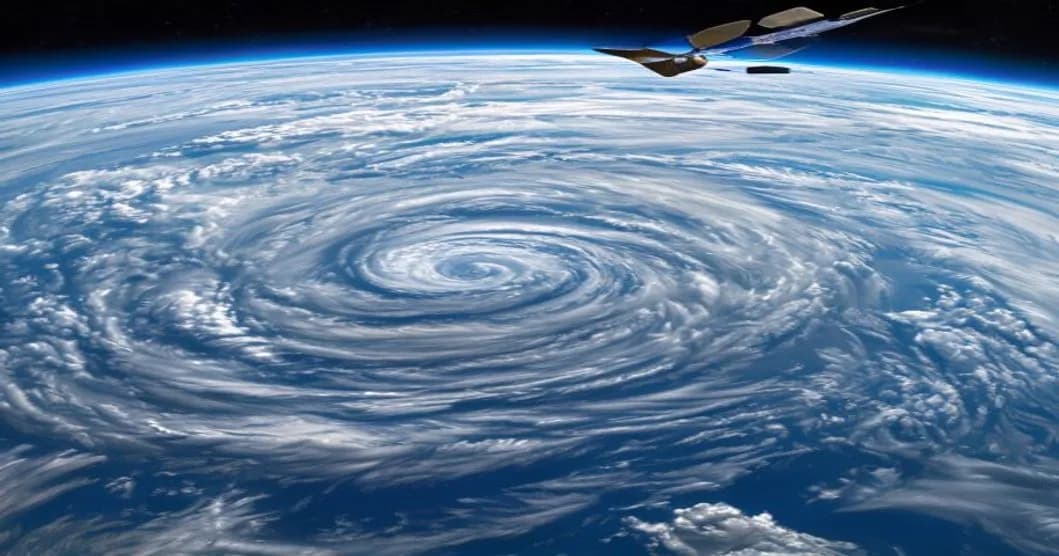
Hurricanes are becoming carbon dioxide emitters, but according to meteorological models, climate change could reverse this role by 2035. Oceans play a crucial role in absorbing carbon dioxide, but hurricanes could change this scenario.
WE
Rédaction Weather IA
mardi 26 mai 2026 à 10:18Updated mercredi 10 juin 2026 à 15:366 min
Hurricanes are among the most destructive meteorological systems that deeply perturb the ocean surface. However, their role in the carbon cycle has always been a subject of debate: do hurricanes lead to a net absorption or release of carbon by the ocean?
Hurricanes Become Carbon Ocean Liberators
Recent research suggests that hurricanes now release oceanic carbon, which could have significant implications for the climate. According to meteorological models, hurricanes can disturb the surface layer of the ocean, leading to the release of dissolved carbon. The ocean is an important carbon reservoir that absorbs 20 to 30% of total anthropogenic carbon dioxide emissions during the industrial era, equivalent to 1.0 to 3.0 Pg per year (1 Pg = 10^15 grams).
The carbon release phenomenon is related to the formation of air bubbles in the surface layer of the ocean. These air bubbles capture dissolved carbon dioxide in the water and release it into the atmosphere. Hurricanes can accelerate this process by disturbing the ocean surface. Carbon release is also influenced by ocean temperature, salinity, and marine currents.
Scientific Explanation of the Phenomenon
The carbon release phenomenon by hurricanes is complex and involves several factors. When a hurricane forms, it creates violent winds that disturb the ocean surface, causing the formation of waves and air bubbles. These air bubbles capture dissolved carbon dioxide in the water and release it into the atmosphere. Additionally, hurricanes can also cause changes in ocean temperature and salinity, which can affect the ocean's ability to absorb carbon.
The release of oceanic carbon by hurricanes could have significant consequences for climate change mitigation. In fact, oceans play a crucial role in absorbing carbon dioxide, but if hurricanes start releasing carbon, it could accelerate climate change. Scientists estimate that hurricanes could release up to 10% of oceanic carbon in the coming decades, which could have significant impacts on the climate.
Why It's Important Today
Climate change is one of the most pressing challenges we face today. The results of these studies suggest that hurricanes could play a significant role in accelerating climate change, making it crucial to study this phenomenon more closely. Scientists should continue to study the interactions between hurricanes and the ocean to better understand this process and find ways to mitigate it. Countries should also take measures to reduce carbon emissions and combat climate change.
The regional impacts of the release of oceanic carbon by hurricanes can vary depending on location and hurricane frequency. The most affected regions will likely be those that are already vulnerable to the effects of climate change, such as Pacific islands and low-lying coastlines. Hurricanes could also have impacts on marine ecosystems, including coral reefs and mangroves, which are essential for marine biodiversity.
Practical Advice
To mitigate the impacts of the release of oceanic carbon by hurricanes, countries and communities can take measures to reduce carbon emissions and protect marine ecosystems. Here are some practical tips:
Reduce carbon emissions by using renewable energy sources and improving energy efficiency.
Protect marine ecosystems by creating marine protected areas and regulating fishing and tourism activities.
Improve warning and prediction systems for hurricanes to enable communities to prepare and respond to disasters.
Fund research and initiatives to study and mitigate the impacts of the release of oceanic carbon by hurricanes.
Comparison with Similar Past Weather Events
Hurricanes are not the only meteorological events that can influence the carbon cycle. Snowstorms, droughts, and floods can also have impacts on ecosystems and carbon reservoirs. However, hurricanes are particularly important due to their frequency and intensity in certain regions of the world. Scientists have studied the impacts of hurricanes on marine ecosystems and carbon reservoirs in the past, but the results of these studies are still limited and require further research.
Conclusion
The release of oceanic carbon by hurricanes is a complex phenomenon that requires further study to understand its impacts on the climate and marine ecosystems. Countries and communities must take measures to reduce carbon emissions and protect marine ecosystems to mitigate the impacts of the release of oceanic carbon by hurricanes. Scientists must continue to study the interactions between hurricanes and the ocean to find ways to mitigate this phenomenon and protect marine ecosystems.
Role of the Ocean in the Carbon Cycle
The ocean plays a crucial role in the carbon cycle by absorbing carbon dioxide from the atmosphere. Oceans absorb approximately 20 to 30% of total anthropogenic carbon dioxide emissions during the industrial era, equivalent to 1.0 to 3.0 Pg per year. However, hurricanes could modify this process by releasing oceanic carbon into the atmosphere.
Impacts on Marine Ecosystems
Hurricanes can have significant impacts on marine ecosystems, including coral reefs and mangroves. Coral reefs are essential for marine biodiversity and provide habitats for numerous species of fish and invertebrates. Mangroves are also important for coastal protection and preventing erosion.
Research and Development
Scientists must continue to study the interactions between hurricanes and the ocean to understand the impacts of the release of oceanic carbon by hurricanes. Research should focus on the mechanisms of carbon release, impacts on marine ecosystems, and ways to mitigate this phenomenon. Countries and international organizations must fund research and initiatives to study and mitigate the impacts of the release of oceanic carbon by hurricanes.
Future Perspectives
Hurricanes will likely continue to play a significant role in the carbon cycle in the coming decades. Scientists must continue to study the interactions between hurricanes and the ocean to understand the impacts of the release of oceanic carbon by hurricanes. Countries and communities must take measures to reduce carbon emissions and protect marine ecosystems to mitigate the impacts of the release of oceanic carbon by hurricanes.