Climate Justice in Nepal After Deadly Floods: Responses and Challenges for Affected Communities
After a glacier collapse and resulting floods devastated Nepal, researchers from World Weather Attribution quickly linked the event to climate change. The article explores attribution mechanisms, climate justice issues, and expected actions for affected populations.
Dozens of people died and thousands were displaced after a glacier collapse in the mountains of Nepal triggered deadly floods in August. The extent of the disaster immediately raised questions of climate justice: who is responsible and how can victims seek reparations?
Glacier Collapse and Floods: What Happened
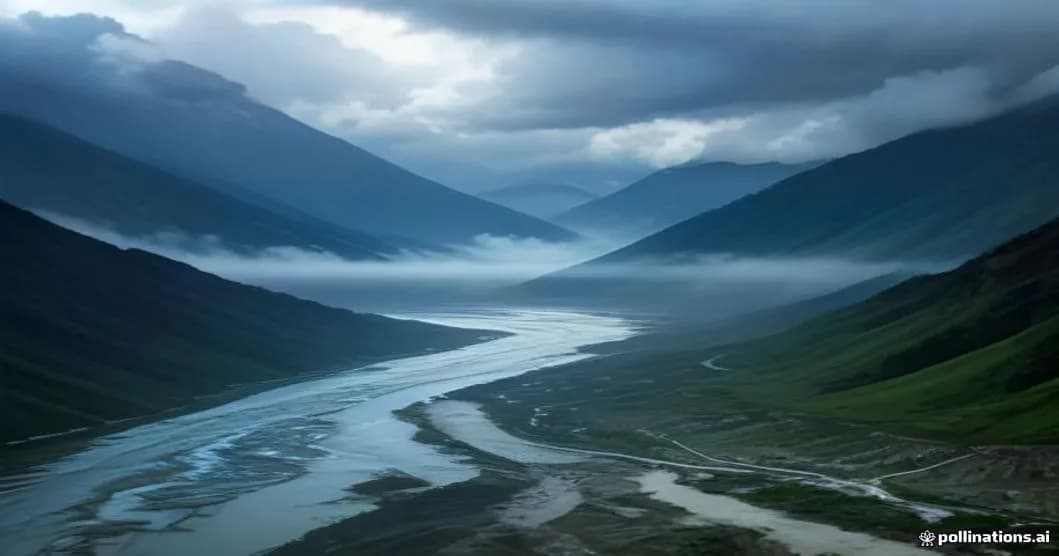
In the Annapurna region, a glacier gave way under the pressure of accelerated melting, releasing a colossal volume of water that rushed down valleys, inundating villages, roads, and agricultural infrastructure. Nepalese authorities declared a state of emergency, mobilizing rescue teams and local NGOs. According to Copernicus satellite data, water flow reached record levels, although exact figures remain unconfirmed at this stage. Radar images showed the extent of sediment deposition, exacerbating future erosion risks.
Affected communities, already vulnerable due to poverty and geographical isolation, were left homeless, without access to clean water, and without livelihoods. Agricultural losses, crucial for local food security, are estimated to be significant, although precise evaluations have not yet been published. This disaster is part of a series of extreme events striking the Himalayas, where the combination of glacier melt and intense rainfall is becoming increasingly frequent.
How AI Models Attributed the Event to Climate Change
The World Weather Attribution (WWA) group deployed a predictive model based on a neural network trained with atmospheric data from ECMWF, Copernicus, and local stations. In just a few hours, scientists compared the observed scenario with counterfactual simulations where greenhouse gas concentrations remained at pre-industrial levels. Results showed that the probability of such a collapse was several times higher in today's climate than in a climate without anthropogenic warming.
This machine learning approach uses data graphs similar to those of GraphCast and Pangu-Weather, enabling rapid integration of real-time observations and reducing forecast uncertainty. Researchers emphasized that while attribution cannot identify a single 'culprit,' the climate signal significantly increases the risk of Himalayan glacier destabilization. According to models, the average temperature in the region has risen by nearly 0.5°C over the past three decades, accelerating glacier mass loss.
Climate Justice Challenges in Nepal: Local Responses