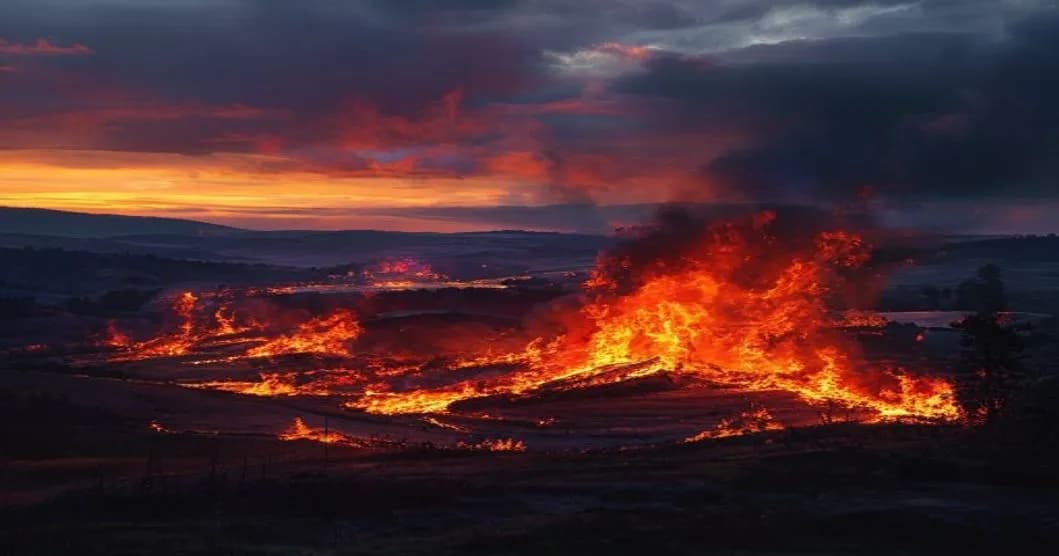
Fires continue to rage in France, particularly in Var and Drôme. Firefighters prepare for a very high-risk day on Thursday. Temperatures could approach 40°C.
Fires have become a recurring phenomenon in France, especially during the summer period. Currently, the regions of Drôme and Var are particularly affected, with fires continuing to spread despite the efforts of firefighters.
Current fires: situation and figures
Firefighters are fighting against the resumption of fire in the Massif du Gros Bessillon, with fears of a mistral wind rise and temperatures that could approach 40°C. This situation is particularly worrying as it can favor the spread of forest fires. Moreover, several forest massifs will be closed in the Alpes-Maritimes, Bouches-du-Rhône, Pyrénées-Orientales, Var and Vaucluse due to the risk of fire.
Forest fires are often caused by a combination of factors, including weather conditions, terrain topography, and human activities. Drought, violent winds, and high temperatures can all contribute to the spread of fires. Moreover, human activities such as agriculture, construction, and leisure can also play a role in the appearance and spread of fires.
Impact and implications of forest fires
Forest fires can have significant impacts on the environment, human health, and the economy. They can destroy natural habitats, pollute air and water, and cause substantial economic losses. Moreover, forest fires can also have long-term effects on air quality and human health due to the release of fine particles and other pollutants into the atmosphere. It is therefore essential to take measures to prevent forest fires and protect affected populations and ecosystems.
In conclusion, preventing and fighting forest fires requires a comprehensive approach that takes into account meteorological, environmental, and human factors. This includes implementing prevention measures such as creating buffer zones, removing waste, and raising public awareness about fire risks. Moreover, it is important to develop effective firefighting strategies, including the use of modern technologies such as drones and geographic information systems.
Firefighters and local authorities must work together to protect affected populations and ecosystems from forest fires. This requires close coordination and effective communication to ensure that prevention and firefighting measures are implemented efficiently. Finally, it is essential to continue raising public awareness about forest fire risks and promoting prevention and protection practices.