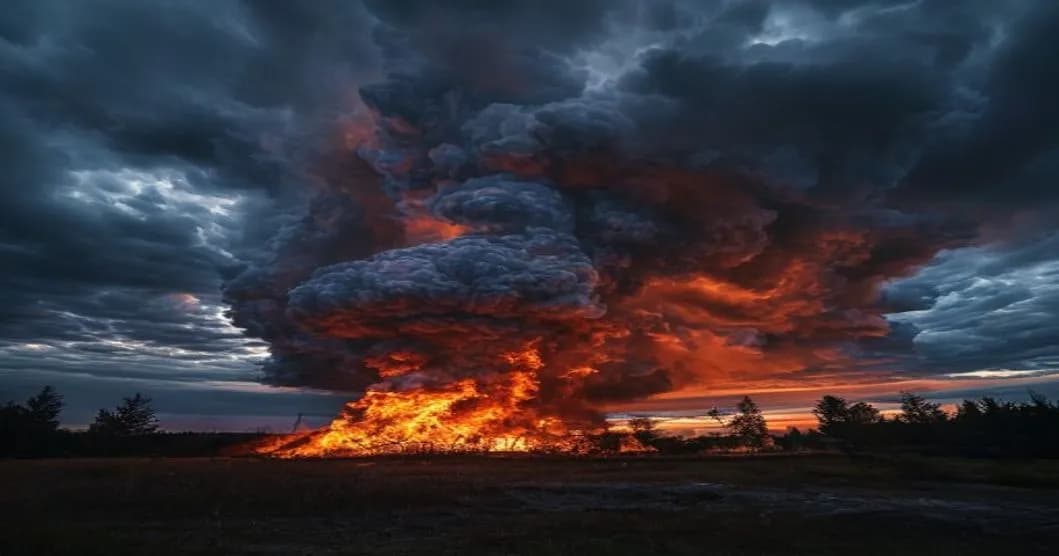
Wildfires in Europe: The Urgency for a Climate Response
The wildfires devastating Europe demand an accelerated adaptation of public policies. Ecological planning is at the heart of this national and European response. Extreme climate events are repeating at an increasingly sustained pace.
WE
Rédaction Weather IA
lundi 27 juillet 2026 à 08:52Updated mercredi 5 août 2026 à 04:536 min
Wildfires Ravaging Europe: Accelerated Adaptation of Public Policies
Wildfires Ravaging Europe: Accelerated Adaptation of Public Policies
The wildfires devastating Europe demand an accelerated adaptation of public policies. According to available data, extreme climate events are repeating at an increasingly sustained pace, necessitating urgent climate action.
Wildfires in Europe: A Growing Phenomenon
Wildfires are becoming more frequent and intense across Europe. This trend is linked to climate change, which leads to rising temperatures and reduced precipitation. The consequences are dramatic, with significant human and material losses.
The regions most affected are those experiencing prolonged droughts, such as the Mediterranean. Forest fires there are particularly devastating, as they can spread rapidly and destroy vast areas of vegetation.
Scientific Causes of Wildfires
Wildfires are caused by a combination of factors, including climate change, human activities, and meteorological conditions. High temperatures and drought create an environment conducive to wildfires, which can be triggered by lightning, campfires, or agricultural activities.
Climate change plays a major role in the increase in wildfires. Rising temperatures and reduced precipitation create ideal conditions for wildfires. Climate models predict that these trends will continue in the coming decades, meaning wildfires will become more frequent and intense.
Additionally, dry vegetation and favorable wind conditions also contribute to the spread of wildfires. Scientific studies have shown that dry vegetation is an important factor in wildfire spread, as it can ignite quickly and easily.
Wildfires have significant implications for ecological planning. Affected regions must develop strategies to prevent wildfires and mitigate their consequences. This can include creating buffer zones, planting fire-resistant trees, and setting up early warning systems.
Governments and international organizations must also work together to develop climate policies that take into account wildfires. This can include reducing greenhouse gas emissions and promoting...