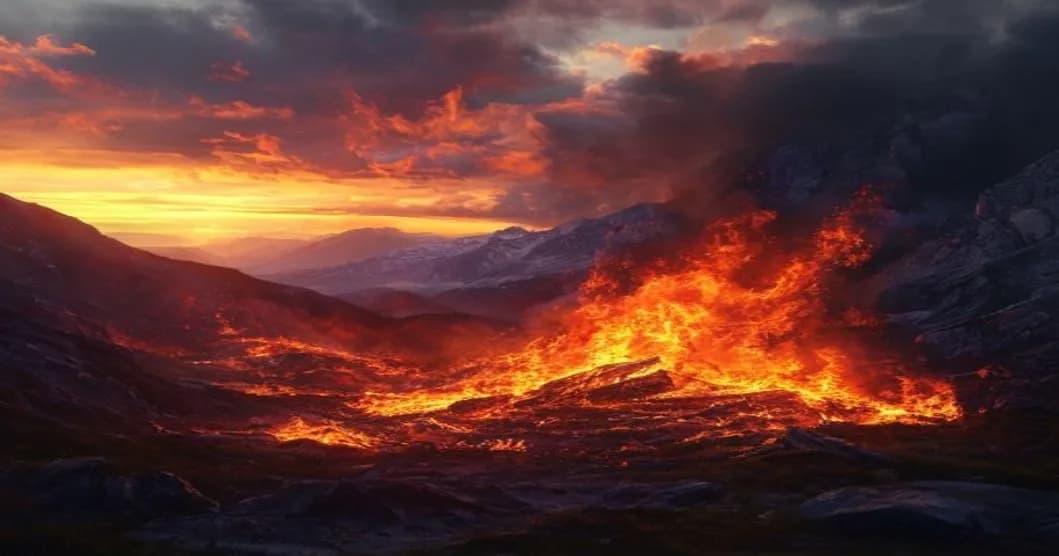
A forest fire in the Pyrénées-Orientales has already spread over 1,650 hectares and requires the intervention of 700 firefighters. This situation has led to the evacuation of 5,000 people, highlighting the challenges posed by forest fires in the region.
Forest Fires in France: An Increasing Phenomenon
Forest fires in France, particularly in southern regions like the Pyrénées-Orientales, have become more frequent and intense in recent years. According to Météo France, drought and high temperatures create conditions conducive to the spread of fires. The use of machine learning and satellite data by predictive models such as GraphCast can help anticipate and manage these situations.
Scientifically speaking, forest fires are often the result of a combination of meteorological and environmental factors. Drought, in particular, plays a key role in creating conditions favorable for fires. When rainfall is low and temperatures are high, vegetation becomes drier and more flammable, thereby increasing the risk of fire. Additionally, strong winds can spread flames rapidly, making firefighting efforts more challenging.
Environmental and Human Impact
Forest fires have significant environmental and human impacts. Beyond biodiversity loss and soil degradation, these fires can also affect air quality and public health. The evacuation of 5,000 people in the Pyrénées-Orientales underscores the importance of prevention and effective fire management to protect communities.
The environmental consequences of forest fires are numerous. The destruction of vegetation can lead to soil erosion, loss of habitats for flora and fauna, and the release of greenhouse gases into the atmosphere. Furthermore, forest fires can also have long-term impacts on ecosystems by altering species composition and affecting natural water and nutrient cycles.
Prevention and Management of Forest Fires
The prevention and management of forest fires require a multilateral approach involving local authorities, emergency services, and the population. The use of advanced technologies such as neural networks and atmospheric data can help identify at-risk areas and predict weather conditions favorable for fires. Additionally, awareness campaigns and preventive measures, such as creating buffer zones and restricting access to certain areas, are essential for reducing the risk of forest fires.