Environmental Impact of Oil Extraction in Patagonia
Oil extraction in Patagonia is booming, but at the expense of the environment. The consequences of this exploitation on the climate and local ecosystems are worrying.
WE
Rédaction Weather IA
vendredi 26 juin 2026 à 10:40Updated lundi 29 juin 2026 à 13:445 min
At Vaca Muerta, Argentina's oil Eldorado attracts thousands of workers hoping for a better life
In Patagonia, the Vaca Muerta geological formation has become a boomtown for oil extraction, attracting thousands of workers. However, this activity has a significant environmental impact, with consequences for the climate and local ecosystems.
Environmental Impact of Oil Extraction
Oil extraction in Patagonia primarily occurs in the Vaca Muerta geological formation, a vast area rich in hydrocarbons. This activity is thriving, with record levels of production. However, it generates significant amounts of greenhouse gases, contributing to global warming.
The consequences of this exploitation on the environment are numerous. Habitat destruction, air and water pollution, as well as the risks of industrial accidents are all issues that must be addressed. Additionally, oil extraction can also have impacts on the health of local populations due to air and water pollution.
Climate Challenges
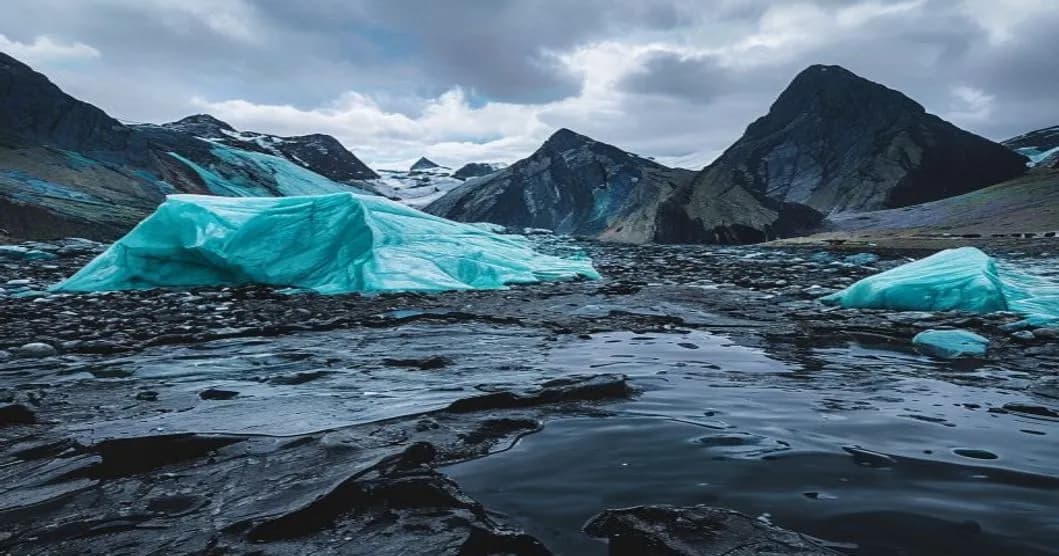
The climate challenges linked to oil extraction in Patagonia are significant. The combustion of hydrocarbons extracted from this region contributes to global warming, with consequences for ecosystems and local populations. Furthermore, the melting of ice and rising sea levels are additional consequences of global warming that already affect the region.
It is therefore essential to consider the environmental consequences of oil extraction in Patagonia and seek more sustainable alternatives to meet the region's energy needs. This could involve developing renewable energy sources such as solar or wind power, which could reduce dependence on hydrocarbons and minimize environmental impacts.
Consequences for Local Populations
The consequences of oil extraction in Patagonia for local populations are also significant. Communities living in the region are often directly affected by air and water pollution, as well as the destruction of their traditional habitats. Additionally, industrial accidents can have catastrophic consequences for local populations, as seen in the past.
It is therefore essential to take into account the needs and concerns of local populations during the planning and implementation of oil extraction activities. This includes ensuring that their health and well-being are prioritized and that their voices are heard in decision-making processes.