More Frequent Tropical Cyclones Near Surface Under Extreme Climates: 2026 Nature Climate Study
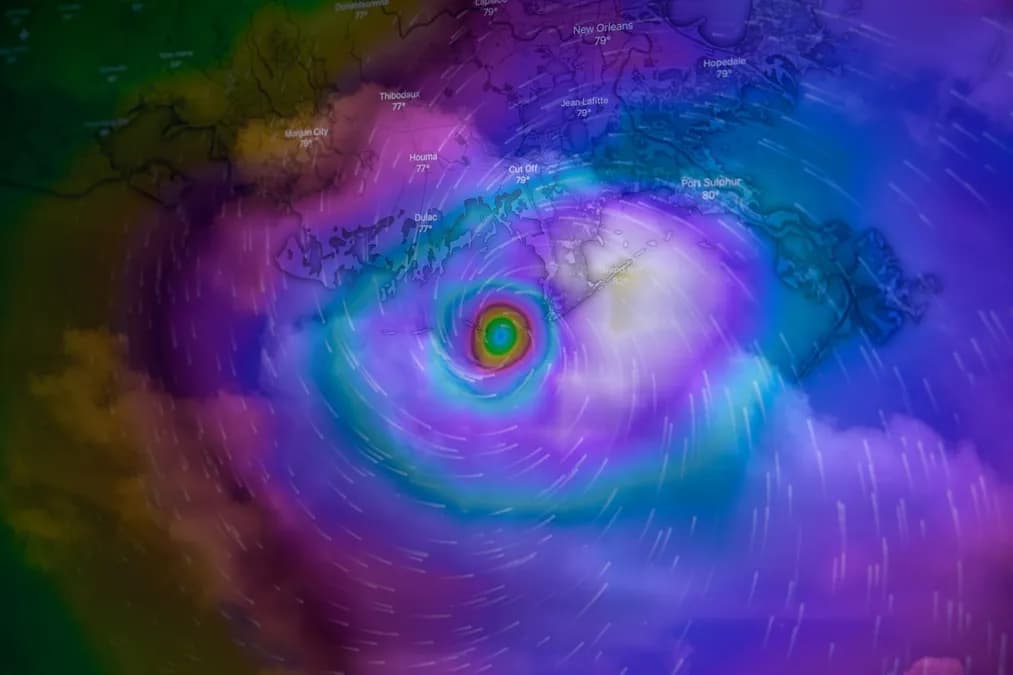
A new study reveals that tropical cyclones are becoming more numerous and shallower with extreme ocean warming. This phenomenon could alter storm dynamics in the near future, according to Nature Climate.
WE
Rédaction Weather IA
jeudi 7 mai 2026 à 04:28Updated mercredi 10 juin 2026 à 18:425 min
Tropical cyclones are now forming more often in lower atmospheric layers under very hot climates. This trend, observed in a study published in April 2026 in Nature Climate, raises concerns about a major change in the structure of these storms due to extreme climate warming.
A marked increase in shallow tropical cyclones revealed by researchers
Researchers analyzed the evolution of the vertical characteristics of tropical cyclones under different extreme climate scenarios. They show that as ocean temperatures rise, the proportion of cyclones developing in lower atmospheric layers, that is, less deep in altitude, increases significantly. This evolution challenges the classical understanding that more intense cyclones extend vertically over a great depth.
How extreme heat modifies the structure of tropical cyclones
The main mechanism lies in the increased stratification of the warm and humid atmosphere above tropical oceans. Surface air becomes more unstable and conducive to the formation of shallower but more frequent convective systems. These "superficial" cyclones draw their energy mainly from the lower layers of the atmosphere, unlike traditional cyclones that extend several kilometers in altitude. This dynamic is amplified by the increased availability of thermal energy in warmed oceans.
A new challenge for forecasting and managing tropical cyclones
This change in the typical depth of cyclones could complicate their detection and tracking with current predictive models based on classical atmospheric profiles. Neural networks and other machine learning tools will need to adapt to incorporate this new storm morphology. Furthermore, ground impacts could differ, as shallower cyclones can cause intense concentrated rainfall and localized violent winds, thus altering alert and evacuation strategies.
Why this discovery is crucial to anticipate climate risks in 2026
While climate scenarios anticipate an increase in extreme ocean temperatures by the end of the century, this study published in Nature Climate provides unprecedented insight into the evolution of tropical cyclones. Understanding the growing appearance of shallow cyclones is essential to improve weather models, reduce forecast uncertainty, and better protect exposed populations. This advancement also highlights the urgency of integrating the most recent satellite and atmospheric data into Copernicus and ECMWF systems to anticipate these profound changes in storm dynamics.
Historical context and evolution of tropical cyclones facing climate change
Historically, tropical cyclones have always been characterized by a deep vertical structure, extending several kilometers into the atmosphere. This classic configuration allowed fairly clear identification of these phenomena through their well-defined meteorological signatures. However, recent observations and climate modeling indicate that this representation may no longer be adequate in a context of intensified global warming. So-called "shallow" or "superficial" cyclones thus appear as a new category, altering the scientific and operational understanding of risks. This transition is particularly concerning because it could lead to an underestimation of threats in tropical and subtropical regions.
Tactical challenges for monitoring and modeling shallow cyclones
The change in cyclone morphology requires a revamp of tactical approaches in operational meteorology. Current atmospheric models, often calibrated on classical vertical profiles, must be improved to accurately capture the dynamics of shallower cyclones. This includes integrating finer data from satellites, radars, and ocean buoys. Moreover, artificial intelligence tools such as neural networks will need to be trained on this new data to provide more reliable forecasts. These adjustments are essential to anticipate not only the trajectory but also the intensity and potential impacts of cyclones in an increasingly unstable environment.
Potential impact on prevention strategies and natural disaster management
Shallow tropical cyclones present a different risk profile than classic storms. Their concentration of energy in the lower atmospheric layers can cause localized meteorological phenomena with torrential rains and intense wind gusts over short periods. This type of event requires adaptation of alert and evacuation plans, often calibrated for more extensive and predictable storms. Local and international authorities must therefore review their crisis management protocols to account for these new characteristics. Furthermore, raising awareness among populations exposed to these emerging risks is essential to reduce vulnerability and strengthen resilience in the face of a rapidly changing climate.
In summary
The discovery of a significant increase in shallow tropical cyclones under very hot climates constitutes a major advance in understanding the effects of climate warming on storm dynamics. This evolution challenges classical paradigms of cyclone structure and demands adaptation of forecasting tools and risk management strategies. As ocean temperatures continue to rise, it becomes crucial to integrate this new knowledge into global meteorological systems to better anticipate and mitigate the destructive impacts of cyclones. This study published in Nature Climate in 2026 thus paves the way for better preparedness against increasingly complex and changing phenomena.