How Climate Change Disrupts the Wild Blueberry Season in Maine
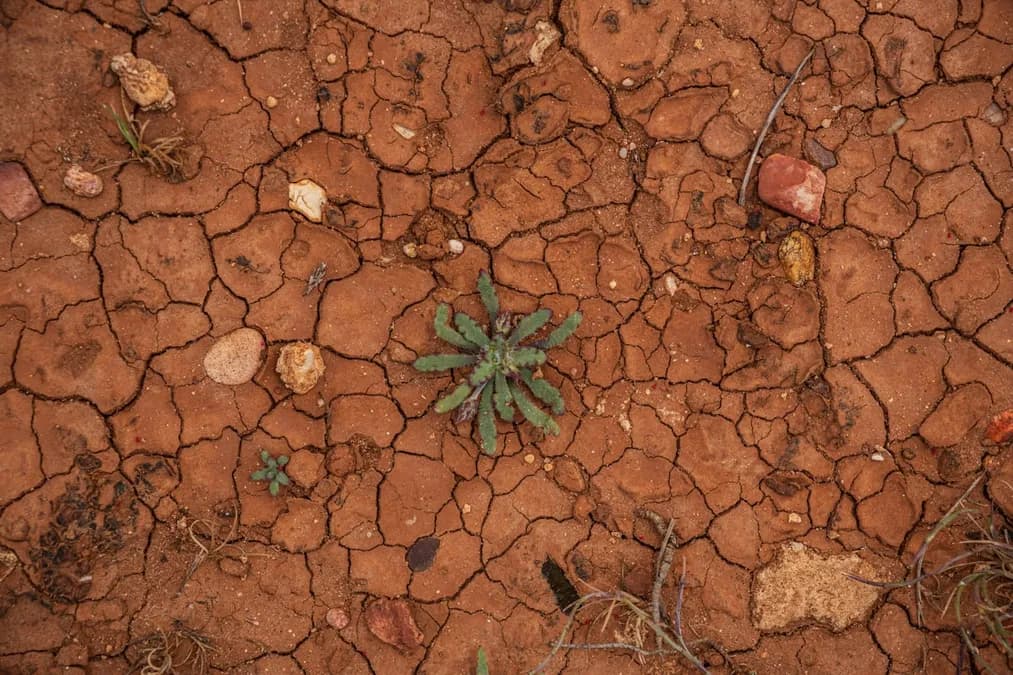
Maine's wild blueberry farms are experiencing severe droughts that shorten the ripening season. This water stress causes plants to redden prematurely, reducing the quality and yield of the harvests.
WE
Rédaction Weather IA
mardi 12 mai 2026 à 05:21Updated mercredi 10 juin 2026 à 20:596 min
More than 80% of wild blueberries suffered intense water stress last summer in Maine, causing a sudden change in natural growth cycles. On the Crystal Spring farm near Brunswick, the leaves turned red ahead of time, a sign of a stressed plant, and the berries dried out prematurely, impacting the harvest.
Wild blueberry harvests marked by exceptional drought
The drought that hit Maine was one of the key factors in this dysfunction. Seth Kroeck, operator at Crystal Spring Farm, observed that the water deficit caused premature leaf discoloration, an indicator of stress in wild blueberries. The berries did not have time to fully ripen, compromising the quality and quantity of the harvested fruit.
According to Inside Climate News, this climate anomaly affected a large portion of Maine's farms, a region renowned for its wild blueberries. This disruption of natural cycles poses a significant risk to the local industry, which relies on a precise harvest schedule.
How drought disrupts the growth rhythms of blueberries
The mechanism is simple but formidable: lack of water causes plants to close their stomata to limit evapotranspiration, which reduces photosynthesis. As a result, leaves change color earlier than expected — a signal of premature senescence.
This phenomenon is amplified by high temperatures that increase water stress. The berries, deprived of water and nutrients, shrivel before reaching their optimal maturity. This disruption affects not only production but also the taste and nutritional quality of the fruit.
Direct consequences on agriculture and the local economy
Maine is the world’s leading producer of wild blueberries, a market on which many farmers and processors depend. The reduction in yields and quality due to climate stress threatens the economic viability of farms.
This instability is pushing producers to reassess their farming practices and schedules, sometimes by shifting harvest periods or exploring more resistant varieties. However, these adaptations require investments and a detailed understanding of local climate changes.
A strong signal of climate change impact on agricultural ecosystems
This case illustrates how climate change modifies growing seasons, with tangible impacts on biodiversity and agricultural sectors. The increase in frequency and intensity of droughts disrupts natural balances, affecting plants and animals that depend on them.
It also highlights the importance of integrating climate data and weather forecasts into agricultural management. Tools based on machine learning and satellite data could help anticipate these phenomena and optimize adaptation strategies.
In short, the water stress observed in Maine’s wild blueberry fields is a tangible example of the challenges climate change poses to seasonal crops, with profound economic, ecological, and social consequences.
A rich past and a threatened agricultural tradition
Wild blueberry cultivation in Maine dates back several centuries, and this berry has become a strong symbol of regional identity and its agricultural heritage. Farms like Crystal Spring have maintained traditional practices, passed down through generations, that respect natural cycles and local ecosystems. This tradition has allowed Maine to position itself as the world leader in wild blueberry production, with an industry generating millions of dollars each year for farmers as well as processing and distribution companies.
This historical stability is now challenged by recent climate disruptions. The shortening of growing seasons, prolonged droughts, and abnormally high temperatures upset the natural rhythms producers were accustomed to. This situation worries not only farmers but also local communities who see wild blueberry cultivation as an economic and cultural pillar.
Tactical challenges and adaptation strategies in the face of climate change
Faced with these upheavals, producers face major tactical challenges. They must now adapt their agricultural calendar, notably by changing planting and harvesting dates to try to avoid the driest periods or heat peaks. Some are experimenting with targeted irrigation, while others seek to diversify their crops to reduce dependence on wild blueberries, whose sensitivity to water stress is now proven.
Moreover, the development of varieties more resistant to water stress and extreme temperatures is the subject of intensive research. However, this innovation requires time and resources and does not offer an immediate solution. Producers must also strengthen soil management to improve its water retention capacity, favoring agroecological practices that increase plantation resilience.
Impact on regional economic ranking and future prospects
Maine, as the world’s leading producer of wild blueberries, heavily depends on the health of this sector for its rural economy. The decline in yields due to water stress threatens not only farm incomes but also the entire value chain including processing companies, distribution, and local tourism linked to this emblematic crop. A poor harvest can lead to price increases but also a decrease in product availability, affecting national and international markets.
In the longer term, this situation calls for a global reflection on agriculture’s resilience to climate change. Local, state, and federal actors must collaborate to support farmers through adapted public policies, including financial aid, training, and easier access to innovative technologies. Without these measures, the sustainability of wild blueberry cultivation in Maine could be compromised, with heavy economic and social consequences for the region.
In summary
The intense water stress that affected wild blueberries in Maine last summer strikingly illustrates the concrete effects of climate change on traditional agricultural cycles. This exceptional drought disrupted berry ripening, degraded their quality, and threatened the economic stability of a region dependent on an ancestral crop. Faced with these challenges, producers must revise their practices, invest in innovation, and rely on advanced technological tools to anticipate future climate changes. This case highlights the urgent need for collective and coordinated adaptation to preserve not only wild blueberry cultivation but also the entire ecosystems and agricultural communities vulnerable to climate upheavals.