Extreme Marine Heat in 2026: Accelerated Collapse of Caribbean Coral Reefs
A record marine heatwave caused a rapid collapse of Caribbean coral reefs in 2026, surpassing all forecasts. This disaster highlights the climate emergency and the challenges for marine biodiversity.
WE
Rédaction Weather IA
mardi 5 mai 2026 à 19:13Updated mercredi 10 juin 2026 à 18:526 min
The Caribbean coral reefs are among the richest and most diverse marine ecosystems in the world, providing essential habitats for many marine species. For several decades, these reefs have been under increasing pressure from diseases, pollution, overfishing, and especially rising sea temperatures. Despite these threats, most Caribbean reefs had so far shown relative resilience, continuing to grow slowly.
However, in 2026, a massive marine heatwave struck the region, causing unprecedented thermal stress on the corals. This abnormal rise in sea surface temperatures exceeded the corals' tolerance thresholds, triggering a massive and rapid bleaching event. This extreme episode led to an accelerated collapse of the reefs, much faster than predictive models had anticipated.
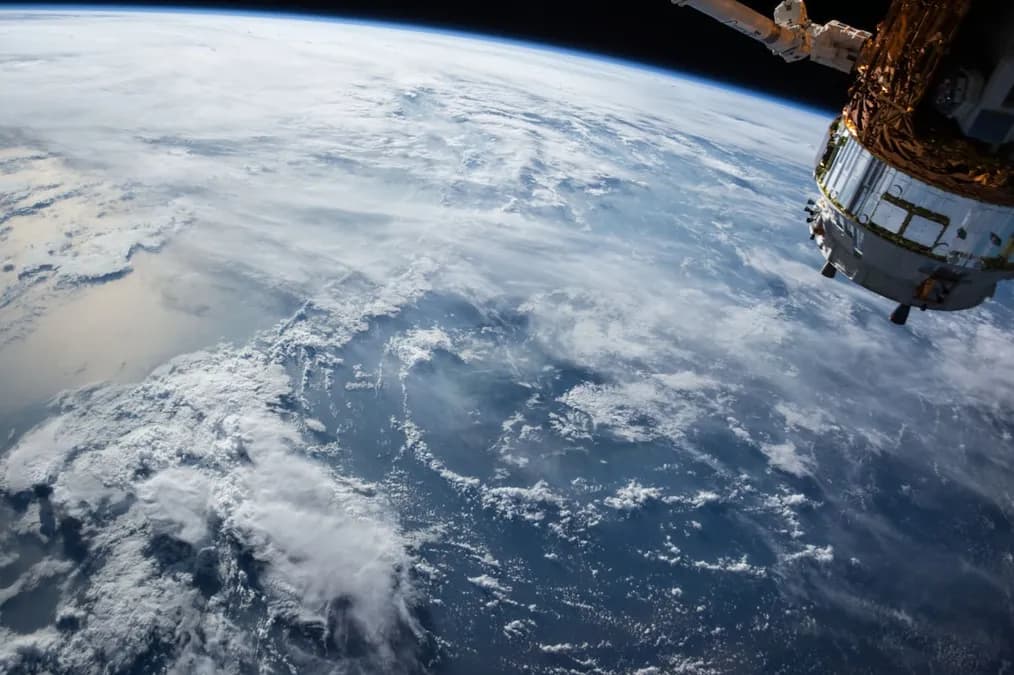
This ecological crisis occurs in a context where environmental monitoring benefits from advanced technologies, notably satellite data and artificial intelligence models, which allow real-time analysis of atmospheric and oceanic phenomena. Yet, even with these tools, the scale of this event surprised scientists, highlighting the current limits of marine climate forecasting.
Facts
According to a study reported by Phys.org, the 2026 marine heatwave was one of the most intense ever recorded in the Caribbean. While the coral reefs had shown some capacity to adapt to the gradual increase in temperatures, the intensity and prolonged duration of this extreme heat exceeded their survival threshold.
Satellite data collected revealed that the sea surface temperature rose by several degrees Celsius over several weeks, causing continuous thermal stress. This stress caused massive coral bleaching, a phenomenon where corals expel their symbiotic algae, vital for their nutrition and color. Without this association, corals rapidly deteriorate.
Moreover, heat- and pollution-related diseases accelerated the degradation of coral structures. The outcome is alarming: a drastic drop in coral cover was observed, with losses far exceeding projections from current climate models, developed using machine learning and neural networks processing atmospheric and oceanic data.
Marine heatwaves are episodes of abnormally high ocean warming over prolonged periods. Their frequency and intensity are increasing due to global warming. These phenomena have devastating consequences on marine ecosystems, particularly coral reefs, which are very sensitive to thermal variations.
To anticipate these events, researchers use sophisticated predictive models integrating satellite data and in situ observations. These models rely on neural networks and machine learning techniques to simulate the complex interactions between the atmosphere, ocean, and biological systems. Systems like GraphCast, Pangu-Weather, or FourCastNet, although primarily dedicated to atmospheric meteorology, inspire these approaches thanks to their ability to process vast volumes of data and produce precise forecasts.
However, the 2026 event showed that even these advanced technologies struggle to predict the extreme variability and intensity of marine heatwaves. Data from the Copernicus marine environment monitoring program and ECMWF allowed detailed documentation of this crisis, but the models had not anticipated such an accelerated degradation of the reefs.
Analysis and Stakes
The rapid collapse of Caribbean coral reefs in 2026 reveals major gaps in our understanding and modeling capacity of extreme marine climate phenomena. It highlights the urgency to improve predictive models by integrating finer data and refining machine learning algorithms to better capture biological and chemical interactions in the oceans.
Ecologically, the accelerated disappearance of reefs endangers local marine biodiversity, as well as the ecosystem services they provide, such as coastal protection against erosion and support for fisheries. Economically and socially, communities dependent on tourism and fishing in the Caribbean region are directly threatened.
Furthermore, this crisis emphasizes the need to rapidly reduce greenhouse gas emissions to limit global warming. It also calls for strengthened conservation efforts, combining satellite monitoring, advanced modeling, and local actions to protect the remaining reefs.
Reactions and Perspectives
Climate and marine science experts are sounding the alarm following this grim finding. They call for better integration of environmental data into predictive models and enhanced international cooperation to continuously monitor the oceans. Increased use of artificial intelligence and neural networks dedicated to oceanic data is seen as a promising path to anticipate and mitigate these extreme phenomena.
Moreover, coastal zone managers and policymakers are urged to adopt robust adaptation strategies, including reef restoration, limiting local pressures such as pollution, and developing marine protected areas. These measures are essential to preserve this vital natural heritage in the face of rising ocean temperatures.
In Summary
The 2026 marine heatwave in the Caribbean caused an accelerated collapse of coral reefs, much faster than predicted by current models. This dramatic event highlights the scientific and environmental challenges related to modeling extreme climate phenomena and the resilience of marine ecosystems.
In light of these challenges, the use of artificial intelligence, satellite data, and improved predictive models appears crucial to better understand, forecast, and protect coral reefs. Global mobilization to limit climate change and preserve the oceans has never been more urgent.