Heatwave in France: Climate Adaptation, an Urgent Challenge for All
Extreme heatwaves expose France's vulnerability to climate change. Inaction will make future adaptations more costly and painful. It's time to act collectively.
WE
Rédaction Weather IA
vendredi 29 mai 2026 à 09:34Updated mercredi 10 juin 2026 à 22:445 min
The Heatwave, a Thermometer of Our Unpreparedness for a Changing Climate
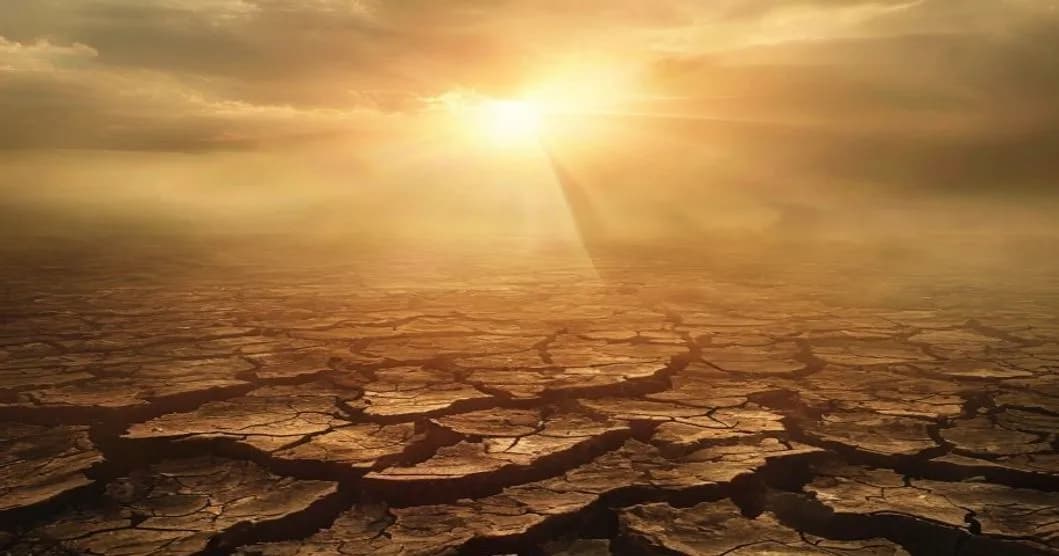
As France suffocates under record heatwave temperatures, this extreme climatic episode acts as a stark revelation of our glaring lack of adaptation to climate disruption. Far from being a mere summer inconvenience, this heatwave highlights a systemic fragility: from infrastructure to individual behaviors, including public policies, our society still seems largely ill-equipped to deal with events that, according to scientific projections, will become the norm.
The current heatwave, beyond its exceptional intensity and duration, is a warning signal that can no longer be ignored. It reminds us that adaptation measures, if not taken now with the utmost determination, will make future adaptations not only more difficult but infinitely more costly, both humanly and economically. The time for downplaying is over; it's time for a general mobilization to rethink our lifestyles and organizations in the face of a permanently warmer climate.
France, like many regions of the globe, is facing an increased intensity and frequency of heatwaves. These phenomena, once considered exceptional, are now becoming prolonged and reaching unprecedented temperature thresholds. Predictive models, whether from traditional meteorology or recent developments in machine learning applied to atmospheric data, converge to indicate a clear trend: future summers will be hotter, and heatwaves more intense.
This reality is part of a global context of climate warming, whose anthropogenic causes are widely documented by the Intergovernmental Panel on Climate Change (IPCC). The increase in greenhouse gases in the atmosphere, mainly due to the burning of fossil fuels, traps heat and alters major climatic balances. Satellite data and ground observations confirm this trend, showing a rise in average global temperatures and an amplification of extreme events, including heatwaves.
The immediate consequences of these extreme temperatures are multiple: increased health risks, particularly for the most vulnerable populations (elderly, children, chronically ill), water stress, impact on agriculture and ecosystems, and increased risk of forest fires. The ability of infrastructure, such as electricity grids or transport systems, to function during heat peaks is also severely tested, as several recent episodes have shown.
Why is Our Adaptation Struggling to Keep Pace with the Climate?
Several factors explain this mismatch between the speed of climate change and the slowness of our adaptation. Firstly, the complexity and inertia of societal systems make rapid transformation difficult. Infrastructure, construction methods, agricultural practices, and energy systems were designed for a different climate. Adapting or replacing them requires time, considerable investment, and long-term planning.
Secondly, risk perception and collective mobilization often struggle to keep up with the acceleration of phenomena. Extreme weather events, although increasingly frequent, can still be perceived as transient hazards rather than manifestations of a profound structural change. The postponement of essential decisions and investments in the hope of a return to normal, or the underestimation of future impacts, contribute to this lag.
Finally, the role of artificial intelligence in understanding and predicting these events is still developing. While models like GraphCast or Pangu-Weather, developed by institutions like the ECMWF or tech giants, show spectacular advances in medium-term weather forecasting, fine-grained prediction of local impacts and long-term adaptation planning remain major challenges. These tools, while powerful, require massive atmospheric data and expert human interpretation to translate forecasts into concrete adaptation strategies.
Adaptation, a Shared Responsibility for a Livable Future
Faced with this urgency, the need for accelerated and coordinated adaptation becomes imperative. This implies action at all levels: from governments that must drive ambitious policies in urban planning, water management, energy transition, and population protection, to businesses that must integrate climate risks into their strategy and innovate to offer resilient solutions, including citizens who can, through their daily choices and commitment, contribute to the transition.
Adaptation is not just about reacting to events, but about anticipating and transforming our societies to be more resilient. This includes re-greening cities to combat urban heat islands, developing more drought-resistant crops, promoting energy efficiency, implementing more effective early warning systems, and better managing water resources. Forecasting uncertainty, inherent in atmospheric sciences, should not be an excuse for inaction, but a driver for diversifying adaptation strategies.
Every year of inaction or insufficient measures will make adaptation challenges more arduous and costs higher. The current heatwave is a brutal reminder: climate adaptation is not an option, but a vital necessity. It concerns everyone, and its success will depend on our collective ability to act decisively and in solidarity starting today to build a safer and more livable future in the face of climate disruption.